Dropping Charges in Criminal Cases

In criminal law, the idea of “dropping charges” is often misunderstood. Many people assume that if an alleged victim no longer wants to move forward, the case will simply go away. In reality, the process is more complex.  Most criminal cases are handled by the state, except for federal cases, which are prosecuted by the […]

7 Common Examples of Police Misconduct

Police officers are entrusted with significant authority, and most carry out their duties lawfully and professionally. However, when that authority is misused, it can result in serious violations of individual rights. Police misconduct refers to actions by law enforcement that are illegal, unethical, or in violation of established procedures.  Below are some of the most […]

5 Things to Remember if You’re up Against False Accusations in Court

Facing false accusations in court is one of the most stressful and life-altering experiences a person can endure. A single allegation, whether rooted in misunderstanding, mistake, or malice, can threaten your reputation, relationships, and even your freedom. False accusations can arise in both criminal and civil contexts, and without a clear strategy, the consequences can […]

House Arrest: A Comprehensive Guide

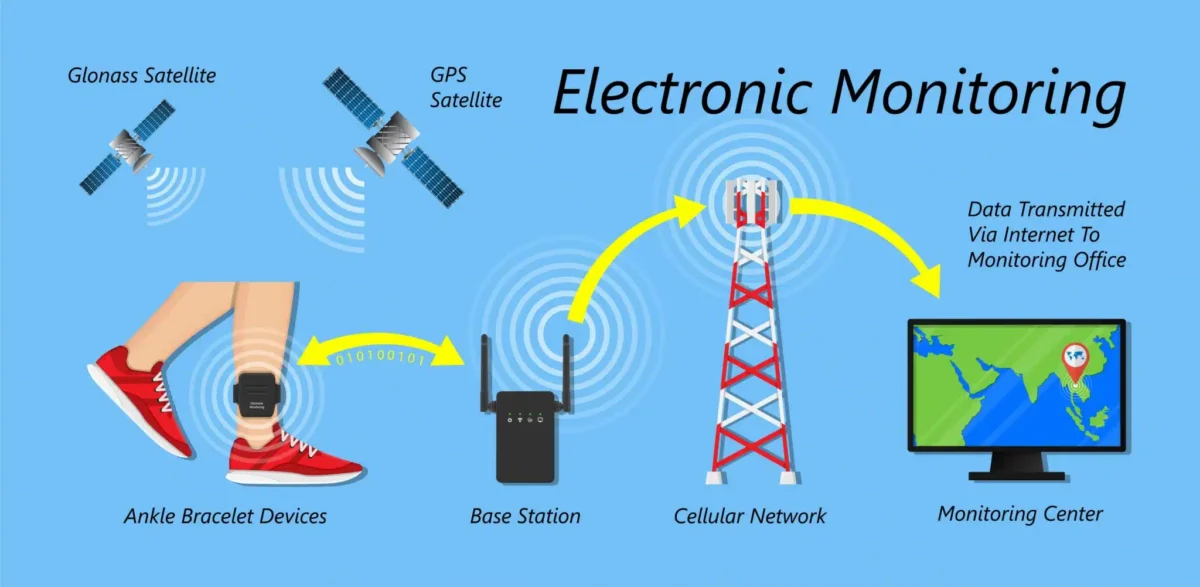
House arrest, also known as home confinement, is an increasingly prevalent alternative sentencing option in today’s criminal justice system, especially in federal cases. Instead of serving time in a traditional prison, eligible individuals complete their sentences at home, subject to strict court-imposed conditions and electronic monitoring. This approach aims to reduce overcrowding in correctional facilities, […]

Misprision of a Felony: Understanding the Federal Crime

Misprision of a felony is a federal crime that occurs when an individual knows about the commission of a felony but fails to report it to authorities. According to 18 U.S.C. 4, anyone who conceals and does not make known the commission of a felony can be charged with misprision of a felony. This can […]

Jail vs Prison: What are the Differences?

People often use the terms “jail” and “prison” interchangeably in everyday conversation, but these terms refer to distinct types of correctional facilities with different purposes, administrative structures, and conditions. Understanding the differences between jail and prison can clarify how the criminal justice system operates and the experiences of those incarcerated within these institutions. This article […]

Criminogenic Needs: Keys to Reducing Recidivism

The concept of “criminogenic” is central to understanding what drives individuals toward criminal behavior—and, more importantly, how to prevent it. By exploring the meaning of criminogenic, identifying key criminogenic needs and risk factors, and examining the role of dynamic risk factors, we gain valuable insight into the root causes of crime. This understanding forms the […]

White Collar Crime – Theft of Trade Secrets

Everyone’s had frustrating work experiences. In those situations, it’s tempting to jump ship and work for someone else. In the heat of the moment, acquiring and redistributing closely held knowledge to a competitor can seem like a good idea. However, it constitutes a theft of trade secrets, and if you aren’t careful, it can cost […]

White-Collar Crime: Real Estate Fraud

Real estate fraud is a hefty offense that can bring the weight of the law down on the accused. Because it is a federal crime, there are burdensome penalties that come along with a conviction.  If you find yourself in the situation of being accused of real estate fraud, it’s critical to know the details […]

Counterfeiting as a White-Collar Crime

When the FBI, lawyers, and news organizations refer to white-collar crimes, they are talking about crimes committed by businesses and organizations that violate public trust.  White-collar refers to the respected jobs where employees once dressed in managerial garbs, such as white shirts with ties. If you are accused of committing a white-collar crime, you are suspected […]