
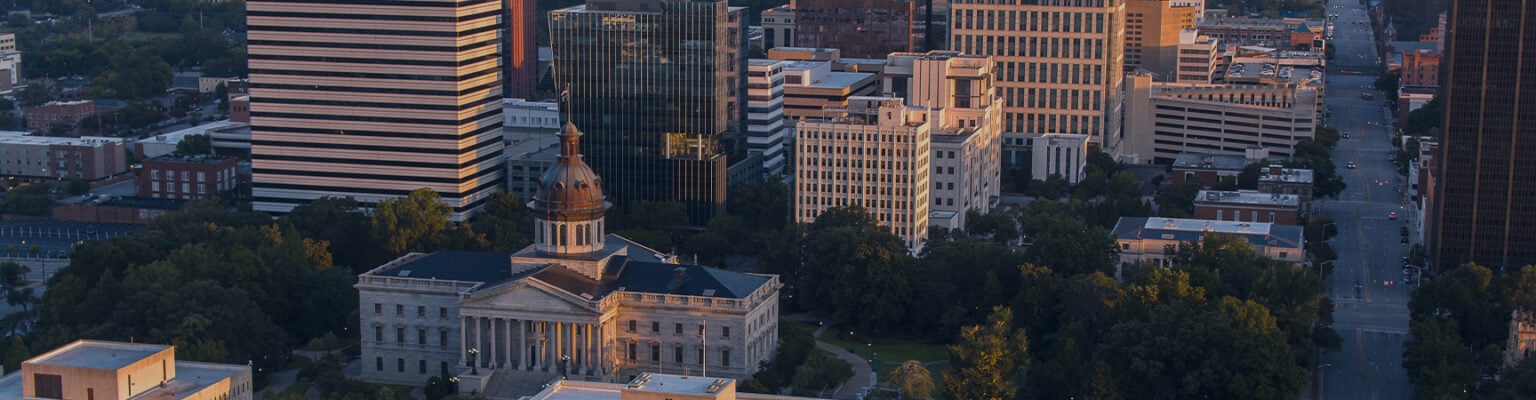
FCI Yazoo City Low at a glance
FCI Yazoo City Low is a low-security federal prison for men in Yazoo County, Mississippi, and the largest of the three institutions at FCC Yazoo City, holding 1,678 people as of September 2026: 1,490 inside the fence and 188 at the minimum-security satellite camp beside it.
| Official name | FCI Yazoo City Low |
|---|---|
| BOP code | YAZ · complex YAX |
| Security level | Low; men · minimum-security satellite camp |
| Population | 1,678 (as of September 2026) · 1,490 at the FCI, 188 at the camp |
| Visiting | FCI: Friday 5:00–8:30 p.m.; Saturday, Sunday and federal holidays 8:00 a.m.–3:00 p.m. · Camp: the records disagree · see visiting hours |
| Inmate mail | FCI: Inmate Name & Register Number · FCI Yazoo City Low · Federal Correctional Institution · P.O. Box 5000 · Yazoo City, MS 39194 Camp: Inmate Name & Register Number · FCI Yazoo City Low · Federal Correctional Institution · Satellite Camp · P.O. Box 5000 · Yazoo City, MS 39194 |
| Send money | Lockbox · Western Union (code city FBOP, DC) · MoneyGram (receive code 7932) |
| Phone | 662-751-4800 · Fax 662-751-4958 |
| Street address | 2225 Haley Barbour Parkway, Yazoo City, MS 39194 · Yazoo County |
| Judicial district | Southern District of Mississippi |
| BOP region | Southeast |
| Designated capacity | 1,536 at the FCI · 256 at the camp |
| Housing | 3 housing units at the FCI · 2 at the camp |
| Special Housing Unit | Yes · 73 segregation cells at the FCI |
| Medical care level | Care Level 1 |
| Mental health care level | Care Level 1 |
| RDAP | Yes · at the FCI; the camp is not listed |
| UNICOR | Yes |
| Camp | Yes · minimum security; the only camp on the complex |
On this page
It opened on May 1, 1997, sits about 40 miles north of Jackson, and answers to the Bureau’s Southeast Region. It shares its address with FCI Yazoo City Low II and FCI Yazoo City Medium, and it is one of the federal prisons in Mississippi. The camp is the only one on the complex and belongs to this institution, so a family told their relative is “at the Yazoo City camp” is on the right page.

Three federal prisons share this address. This page is the Low and its camp.
Everything at 2225 Haley Barbour Parkway shares a post office box and a set of Bureau documents, and two of the three institutions behind that address took new names in 2024. The Locator, the mail room and the visiting supplement all turn on the distinction.
| Institution | Code | Roster security level | Population, as of September 2026 | Phone |
|---|---|---|---|---|
| FCI Yazoo City Low — this page | YAZ | Low; the satellite camp is minimum | 1,490 at the FCI, 188 at the camp | 662-751-4800 |
| FCI Yazoo City Low II | YAM | Medium, whatever the name suggests | 1,457 | 662-716-1020 |
| FCI Yazoo City Medium | YAP | Medium | 1,467 | 662-716-1241 |
On April 4, 2024, the Bureau announced that USP Yazoo City was one of six penitentiaries being renamed as correctional institutions; the penitentiary here is now FCI Yazoo City Medium. The announcement does not mention the second change, but by June 2024 the Bureau’s pages gave the name FCI Yazoo City Low II to the institution that had been called FCI Yazoo City Medium. This institution was not renamed. A record that says “Yazoo City Low” without the “II” means this prison; a record that says “Yazoo City Medium” means a different building depending on whether it was written before or after the spring of 2024. Our pages on FCI Yazoo City Medium and FCI Yazoo City Low II take up those histories.
The complex’s 2026 PREA audit calls this institution “Low I” and describes “two low-security facilities, a medium-security facility, and a minimum-security camp,” counting Low II as low. The Bureau’s roster records Low II as medium security.
The county’s own jail is not federal and is easily confused with this prison in news searches. Four officers of the Yazoo County Regional Correctional Facility were arrested in March 2024 after five detainees escaped from it (WLBT, March 27, 2024); that escape had nothing to do with FCC Yazoo City. A federal register number is eight digits with a hyphen after the fifth; if the number you have looks different, you are looking for the county or the state.
What is the security level at FCI Yazoo City Low?
FCI Yazoo City Low is a low-security institution, and its satellite camp is minimum security; the Bureau’s facility page describes it as “A low security federal correctional institution with an adjacent minimum security satellite camp.” They are separate designations made by the Designation and Sentence Computation Center before anyone arrives, and a man can be moved from one to the other without leaving the property.
Housing is shared: the complex handbook talks about “cubicles/cells” and “two showers in each pod,” and the audit counts three housing units at the FCI. The audit also records 73 segregation cells at the FCI, against 96 at Low II and 121 at the Medium.
The audit gives the Low a designated capacity of 1,536 and an average of 1,520 people over the previous year, and counted 1,420 on the first day of the site visit, February 24, 2026; as of September 2026 the population was 1,490, or 97 percent of capacity. The camp is rated for 256, held 144 on the audit’s first day and 188 as of September 2026. The FCI admitted 1,387 people in the twelve months before the February 2026 audit, and the average stay was 556.8 days, about eighteen months: a low-security population with short sentences and high turnover.
Who lands here is arithmetic. The Bureau’s security designation rules, Program Statement 5100.08, score offense, criminal history, violence, escape history, detainers, age, education and substance abuse into a security total, and two entries override it. A Public Safety Factor — a sentence length, a sex offense, deportable-alien status — sets a floor and is how a man whose points would allow a camp ends up inside a fence; a Management Variable places someone outside his score for a stated reason. Both are written on the designation paperwork, and both can be argued.
The Low has long held people facing removal at the end of their sentences: the complex handbook carries an April 2012 warden’s memorandum on the property that detainees “who will be deported” may take with them, and in May 2026 a federal magistrate judge recommended dismissing a petition against the Low’s warden because a final order of removal made the petitioner ineligible to have First Step Act time credits applied. Garcia v. Warden Yazoo City Low, No. 3:25-cv-306-TSL-RPM (S.D. Miss. May 13, 2026) (report and recommendation). For that population the detainer, not the score, governs the exit.
Who are the notable inmates at FCI Yazoo City Low?
Most of the people attached to this prison online are not here, but one is. Of the seventeen people on Wikipedia’s list of notable inmates at FCC Yazoo City, only Scott Tucker was held at the Low as of September 2026; two were at the other Yazoo City institutions, and the rest were held elsewhere or had been released.
| Name | Bureau record, September 2026 | Why the name is attached to this prison |
|---|---|---|
| Scott Tucker (06133-045) | Here. Listed at Yazoo City Low; projected release March 5, 2031 | The Kansas payday lender sentenced in the Southern District of New York on January 5, 2018 to 200 months after a jury convicted him on all 14 counts, including racketeering, wire fraud, money laundering and Truth in Lending Act offenses, over an internet lending business that charged interest as high as 1,000 percent |
| Freddie Gladney III, “Bankroll Freddie” (96583-509) | Not here. Held at FCI Texarkana, Texas; projected release May 18, 2033 | The Arkansas rapper was sentenced in the Eastern District of Arkansas on November 1, 2024 to 150 months for marijuana-trafficking and firearm offenses. On June 28, 2026 he posted that he had been in the Low’s Special Housing Unit since April 16 over a phone charge he said was expunged on April 30 (XXL). The Eighth Circuit affirmed his conviction and sentence on August 28, 2026 |
| Oscar Amos Stilley (10579-062) | Released July 23, 2026, from Yazoo City Low | Former Fort Smith, Arkansas lawyer sentenced in the Northern District of Oklahoma in April 2010 to 180 months for conspiracy to defraud the United States and tax evasion. From FCC Yazoo City he sued the Attorney General, the Low’s warden and others; the Fifth Circuit affirmed dismissal for failure to exhaust in May 2022 |
| Karey Lee Woolsey (34411-018) | Released July 17, 2018, through the Miami residential reentry office | Fort Myers-area musician sentenced in the Middle District of Florida in August 2008 to 151 months in a marijuana case. His album A Million Miles Away, recorded before he went to prison and released in July 2013 while he was held here, reached number four on a Billboard ranking of independent artists, Forbes reported in August 2013. Directories still list him as an inmate |
| Javier Del Rio-Larios (80512-479) and Celestino Valdez (10023-509) | The Locator lists both as “Escaped On: 11/13/2023”; the record behind that line names Yazoo City Low | Discovered missing from the satellite camp at about 4:30 p.m. on November 13, 2023, serving 174 months for a methamphetamine conspiracy and 120 months for methamphetamine, heroin and firearm offenses. No published report of a recapture had appeared as of September 2026 |
| Emanuel Brewster Jr. (15800-028) and Dewayne Antonio Mitchell (16866-074) | Deceased, May 26 and June 4, 2020 | The two men the Bureau announced as having died at the Low in the first pandemic spring; Mitchell tested positive for COVID-19 on April 28, 2020 and died in a local hospital |
If someone tells you a well-known person is “at Yazoo,” ask for the register number and look it up yourself. The Locator is free and names the institution.
How do I find someone at FCI Yazoo City Low?
Search the Bureau’s Inmate Locator by register number if you have it and by name if you do not. The number never changes; a name search returns everyone with that name in federal custody since 1982 and matches the committed name on the judgment, not a nickname. Our guide to how register numbers work explains the format.
For this complex the Locator names the institution as Yazoo City Low, Yazoo City Low II or Yazoo City Medium, each an FCI, and the difference between the first two is one Roman numeral; a transfer across the complex changes that line without changing the address. A person who has left custody shows “Not in BOP Custody” with the release date, which a list of names shortens to “NOT IN BOP CUSTODY”; a person recorded as having walked away shows “Escaped On” and a date; a person who died in custody shows “Deceased.” No result at all can mean pretrial detention under the Marshals Service, state custody, or a name spelled differently on the judgment.
How do I write to someone at FCI Yazoo City Low?
The FCI and the camp use the same post office box, so the line that names the institution and the register number is what routes the letter. These are the two address blocks on the Bureau’s page for this institution.
| For someone at the FCI | For someone at the satellite camp |
|---|---|
| Inmate Name & Register Number FCI Yazoo City Low Federal Correctional Institution P.O. Box 5000 Yazoo City, MS 39194 | Inmate Name & Register Number FCI Yazoo City Low Federal Correctional Institution Satellite Camp P.O. Box 5000 Yazoo City, MS 39194 |
Three institutions and a camp, 4,602 people as of September 2026, and one box. The complex handbook asks each man to have his correspondents put his register number and unit on the envelope. General correspondence that arrives after a transfer is forwarded for thirty days. Staff mail goes to a different box, P.O. Box 5666.
Under the Bureau’s correspondence rules, ordinary letters are opened, inspected and may be read. A lawyer’s letter is opened only in front of the person it is addressed to, and only if the envelope shows the attorney’s name and status and is marked “Special Mail — Open only in the presence of the inmate”; the handbook warns that an unmarked legal envelope is processed as general correspondence. Outgoing legal mail is handed to staff in person: at the Low, to Receiving and Discharge between 6:15 and 6:30 a.m. on weekdays; at the camp and in the Special Housing Unit, to the evening watch officer. Our guide to attorney-client communication inside the Bureau covers what the privilege does and does not protect.
Because this is a low-security institution, the Bureau’s incoming publications rules let softcover books and magazines come from any source; hardcovers and newspapers must come from a publisher, book club or bookstore. Our page on writing to someone in federal prison covers rejected mail and how to appeal a rejection.
How do I send money to someone at FCI Yazoo City Low?
Not to Yazoo City. The complex handbook records that the mail room “will no longer accept funds received from outside the institution,” and every deposit for a federal prisoner goes through the Bureau’s national lockbox or two wire services.
- By mail: a money order, or a government, business, cashier’s or certified check, with the committed name and eight-digit register number printed on it and on the envelope, to Federal Bureau of Prisons, [committed name], [register number], Post Office Box 474701, Des Moines, Iowa 50947-0001. Personal checks and cash are refused, and anything else in the envelope is discarded.
- By Western Union Quick Collect: code city FBOP, DC, account number the register number followed by the last name, attention the committed name.
- By MoneyGram: receive code 7932, company Federal Bureau of Prisons, Washington, DC, the same account-number format.
U.S. postal money orders post without a hold, while the Bureau’s trust fund rules hold most other mailed instruments before the money can be spent. Money can be moved from the commissary account to the telephone account twice a day, in whole dollars, from a housing-unit phone, and cannot be moved back. The account is not private: the Inmate Financial Responsibility Program looks at it when it sets restitution and fine payments, and the handbook warns that a man who refuses his obligations is barred from UNICOR and from halfway-house placement. Commissary spending is capped at $460 a month, so a large deposit buys a balance rather than a bigger shopping day. What each route charges is in our guide to sending money to a federal prisoner.
What are the visiting hours at FCI Yazoo City Low?
At the FCI: Fridays from 5:00 to 8:30 p.m., and Saturdays, Sundays and federal holidays from 8:00 a.m. to 3:00 p.m. That is section 4.A of Complex Supplement YAX 5267.09A, Visiting Regulations, dated February 18, 2019, signed by the wardens of the Low and the Medium. The Spanish edition and the 2011 handbook agree for the FCI; the camp is another story.
The supplement is seven and a half years old, and the Bureau’s facility page publishes no hours at all, so this supplement and the 2011 handbook are the only published schedules there are. Call 662-751-4800 before a long drive.
Visits are rationed by points: five a calendar month, one deducted each time a man enters the visiting room on a Saturday or Sunday, none charged for Friday evenings or federal holidays, and none carried over, which in the English text makes the Friday session the cheap one. The Spanish edition instead deducts a point for every visiting day and exempts only federal holidays. Visitors may not enter the administration building before 4:30 p.m. on Fridays or 8:00 a.m. on other visiting days; processing stops at 7:30 p.m. on Fridays and at 2:00 p.m. on weekends and holidays. The Spanish edition states the cut-offs differently — no entry until thirty minutes before the session, processing closed an hour before it ends, and a halt from 9:30 a.m. until the 10:00 a.m. count clears — so plan around the stricter reading.
The Special Housing Unit visits on Fridays from 1:00 to 3:00 p.m. only, in front of the officer’s station; when a federal holiday falls on a Friday the session moves to Thursday afternoon. A man who leaves the visiting room to eat in the dining hall has ended his visit for the day, and a visitor who leaves may not return that day.
The camp keeps different hours, and the Bureau’s records disagree
If the person you are visiting is at the satellite camp, five Bureau records give three different schedules and no way to choose between them.
| Bureau record | Camp visiting hours it states |
|---|---|
| YAX 5267.09A, section 4.A, English edition (February 18, 2019) | Friday 1:00 to 9:00 p.m.; Saturday, Sunday and federal holidays 8:00 a.m. to 3:00 p.m.; processing stops at 3:30 p.m. on weekends |
| YAX 5267.09A, Attachment F information sheet, English edition | Saturday, Sunday and holidays 10:00 a.m. to 5:00 p.m.; no Friday session |
| YAX 5267.09A, section 5, Spanish edition (same number, same date) | Friday 5:00 to 8:30 p.m.; Saturday, Sunday and federal holidays 8:00 a.m. to 3:00 p.m.; processing stops thirty minutes before the end |
| YAX 5267.09A, Attachment F, Spanish edition | Friday 5:00 to 8:30 p.m. for “Camp, LOW & MED”; Saturday and Sunday 8:00 a.m. to 3:00 p.m. |
| FCC Yazoo City A&O Handbook (October 2011) | Saturday, Sunday and federal holidays 10:00 a.m. to 5:00 p.m. |
The disagreement is not about minutes. One record has the camp open from 1:00 to 9:00 p.m. on Fridays, two give it the Low’s Friday evening, two have no Friday session at all, and the weekend window is either 8:00 to 3:00 or 10:00 to 5:00 depending on the page. Confirm the schedule with the institution before a camp visit. The supplement does show that the camp runs differently: weekend processing runs until 3:30 p.m. there, a patio outside the camp visiting room is used in good weather to add space, and the visitor lockers it lists are in the lobbies of the Low, the Medium and the former penitentiary. The Spanish edition adds that the camp visiting room holds 86 people against 200 at the Low.
Who can visit, and how many
A visiting list holds up to 25 people aged sixteen and over, immediate family included. The English supplement says it goes to the correctional counselor within the first two weeks and may be changed once every ninety days; the Spanish edition says within five days, caps friends and associates at ten of the 25, and allows monthly changes. Every proposed visitor gets a Visitor Information Form, BP-629, from the prisoner and mails it back to the counselor; approval takes about thirty days, and a proposed visitor with a felony conviction is approved or refused by the warden or a designee.
A visit is limited to five people, up to four adults and four children in the English text; the Spanish edition does not count children under two. On laps the editions contradict each other: the English lets children eight and under sit on a parent’s lap, the Spanish allows no lap but a baby’s. When the room fills, the English supplement ends volunteers’ visits first, then those of frequent visitors living within fifty miles; the Spanish edition ends visits for anyone who traveled under 300 miles, in order of arrival. Either way, tell the desk how far you came.
What to wear and what to bring
The dress code, Attachment G, is identical in both editions and stricter than most: skirts and dresses more than two inches below the knee with no slit higher than two inches above it; sleeveless garments covered by a jacket throughout; no T-shirts, sweat suits, camouflage, shorts, caps, scrubs, spandex, tube or tank tops, and nothing khaki. Shoes need a back or a heel strap. The Spanish edition’s text allows hems up to two inches above the knee, which its attachment contradicts; wear the longer skirt.
Into the room: a clear plastic purse, five by eight inches in the English edition and six by six by three in the Spanish; up to $30 for the vending machines in bills of five dollars or less; two clear baby bottles, four diapers and a change of baby clothes; and life-maintaining medication, left with the visiting room officer. Out: wallets, keys, food, drink, gum, cosmetics, toys and every electronic device including, in the English text, wristwatches. The prisoner comes in wearing khaki with his glasses, a plain wedding band, his commissary card and, for a legal visit only, papers approved in advance by the unit team.
Identification and screening
Everyone sixteen and over shows a valid photo driver’s license, a passport, or a federal or state photo identification and completes form BP-S224, which records consent to search under the Bureau’s rules on searching visitors, 28 C.F.R. part 511. The Spanish edition describes screening the English one does not: the lobby officer stamps each visitor’s hand in invisible ink, the control room checks it under a black light before the sallyport, and the visiting room officer checks it again on the way out. Every visitor clears a walk-through metal detector and belongings go through an X-ray; a visual search requires the warden’s approval, a signed consent form and a staff member of the visitor’s sex. Our pages on searches, shakedowns and contraband and federal prison visitation explain what a visitor can refuse and what refusing costs, and the Bureau’s visiting regulations set the national rules.
Lawyers are processed like everyone else, with a bar card, photo ID and the BP-S224. Paralegals need proof they work for the attorney of record and an NCIC check, a tape recorder needs the warden’s prior written permission, and attorney visits are watched but not listened to.
Getting there
The complex is on Haley Barbour Parkway beside Mississippi Highway 3, about 40 miles north of Jackson. From Highway 49 the English sheet turns left at the first light in Yazoo City onto Broadway, then right onto MS-3 North for 1.7 miles; the Spanish sheet turns left at Willie Morris Parkway and runs 1.5 miles to the stop sign at Haley Barbour Parkway. Both information sheets put the Amtrak station at 222 West Broadway; another Spanish page says 204.
One warning: the information sheet in both editions prints the complex’s address with the ZIP code 39056, which is not Yazoo City’s. Every other Bureau record, including the mailing blocks above, uses 39194.
How do phone calls and email work at FCI Yazoo City Low?
He calls you; you cannot call him. Every number must be on his approved list of up to thirty, keyed to his phone access code, and the complex handbook says a new arrival’s list is keyed within about two working days and changes within five. Families who speak Spanish should know the recorded announcement that opens each call is in English unless the prisoner marked “Spanish” against your number on his request form.
The monthly allowance is 510 minutes under the Bureau’s telephone regulations, Program Statement 5264.09, issued September 3, 2026: 300 free to anyone eligible for First Step Act telephone incentives; anyone who uses up those 300, eligible or not, may buy the other 210. The 2011 handbook’s 300-minute monthly cap came from the telephone policy the September 2026 statement rescinded. A single call should generally not exceed 15 minutes, and at least 30 minutes must pass between completed calls. Three-way calling is barred, and unmonitored legal calls are arranged through the unit team and not counted against the 510. Everything else is recorded.
The handbook gives the Low’s weekday phone windows as 6:00 to 7:30 a.m., 10:30 a.m. to 12:30 p.m. and 4:30 to 11:00 p.m., and none during counts; a man in administrative detention or disciplinary segregation gets one call every thirty days. Incoming calls are not accepted. The handbook tells families to report an emergency through the main number, 662-751-4800, and says a chaplain confirms it before the man is told. Our guide to federal inmate phone calls covers rates and blocks.
Email runs through TRULINCS inside and CorrLinks outside: text only, screened before delivery and paid for from his account. Messages to a lawyer are not privileged.
What can people buy at the FCI Yazoo City Low commissary?
The spending limit is $460 a month. The Bureau’s trust fund rules, Program Statement 4500.13, the Trust Fund/Deposit Fund Manual, issued May 7, 2026, set it in section 3.2 and record in their summary of changes that the manual “increases spending limit from $360 to $460 per month.” The complex handbook’s $290 was the figure in October 2011. Listings that give $360 are out of date. The allowance rises by a further $50 during the November and December holiday period, for no more than one validation period.
The exclusions are a closed list, and telephone credits are not on it whatever an older handbook implies. Postage stamps, over-the-counter medications, copy cards and copy paper, footwear, mattresses and a secured media device are among the purchases that fall outside the $460.
Shopping at this complex is once a week on a unit’s assigned day, with the days rotating each quarter; a man who misses his day waits until the next week, and the one exception to the weekly rule is the Friday sale of Special Purpose Orders. He shops from a completed list with his commissary card and can check his balance and last twenty transactions on the inquiry machine beside the commissary.
The Bureau’s page for this institution posts no commissary list; it links the complex handbook and the visiting supplement, each in English and Spanish, the Bureau’s legal activities program statement and the PREA audit. Ask the unit team for the current list. Our page on the federal prison commissary explains what the national rules allow.
What programs are available at FCI Yazoo City Low?
The Bureau’s First Step Act Approved Programs Guide of August 2026 names this code in three places: the Residential Drug Abuse Program list, Federal Prison Industries and FPI Lean Basic Training. Everything else it marks for this institution is permission to offer a program, not a report that a class is running; ask the unit team what runs this quarter.
RDAP and drug treatment
The Residential Drug Abuse Program runs at the FCI. The guide’s RDAP locations list, updated in June 2026, names “FCI Yazoo City – L (MS)” and nothing else at the complex; it does not name the camp. The complex handbook places the program in Unit 1B Lower. Under the Bureau’s psychology treatment programs policy, it is a minimum of 500 contact hours over nine to twelve months, completion can be worth up to a year off an eligible sentence under 18 U.S.C. § 3621(e), and the handbook warns that the eligibility file goes to the Designation and Sentence Computation Center for a legal review that can take 30 to 120 days.
A federal magistrate judge’s 2024 report on a man removed from the Yazoo City Low RDAP makes two points to weigh before anyone counts the year. Completing the program “does not automatically result in early release,” because the statute gives the Bureau the authority but not the duty to shorten the sentence. And the drug-and-alcohol disciplinary findings that ended his participation also cost him good conduct time, 136 days of it from two of the hearings, along with time in the Special Housing Unit and a transfer to FCI Berlin, a medium-security prison.
Short of RDAP there is the drug education course, twelve to fifteen hours with an examination, mandatory for people whose judgment calls for drug treatment or whose presentence report ties drugs or alcohol to the offense; and non-residential treatment, 90 to 120 minutes a week for twelve to twenty-four weeks. A psychologist screens every arrival, and the department’s open house at the Low is on Wednesdays from 11:00 a.m. to noon.
Education and vocational training
Anyone without a verified diploma or GED is enrolled in the literacy program for 240 hours or until he passes; GED classes run in English and Spanish, and finishing the GED, English as a second language or an apprenticeship earns a $25 award. The 2011 handbook lists vocational courses certified through Holmes Community College in Microsoft Office, cabinetry, restaurant management, AutoCAD drafting and heating and air conditioning; ask what runs now. Our guides to prison education, vocational training and the law library explain how these programs work across the system.
UNICOR
Federal Prison Industries operates here: the guide’s FPI entry lists YAZ and Low II but not the Medium, and its Lean Basic Training entry names ten institutions, this one among them. The Bureau’s UNICOR page lists a Clothing and Textiles factory at Yazoo City without saying which institution runs it. Applications go through the unit team and hiring follows the order of application, with priority for men whose last job before transferring here was in UNICOR; UNICOR pay posts only after staff check GED and financial-responsibility status, and refusing a payment plan bars the job. Our page on UNICOR covers pay and how the lists move.
Faith-based programs and reentry
Religious Services contracts clergy from a range of faiths, and a man may keep one minister of record on his visiting list whose visits do not count against his social visits. The Life Connections Program is not offered here: the August 2026 guide names five institutions for it and this is not one. The October 2011 complex handbook says eligible men are normally submitted for halfway-house consideration 17 to 19 months before release, a window no current program statement sets, and should enroll in release preparation no later than 18 to 24 months out, the range the Bureau’s release preparation rules, Program Statement 5325.09, adopted in June 2026. RRM Montgomery is the Bureau’s residential reentry office for both Mississippi districts and all three in Alabama.
What is daily life like at FCI Yazoo City Low?
The day runs on counts and controlled movement. The complex handbook is fifteen years old, so treat this as the shape of the day, not a timetable.
| Weekdays | Weekends and holidays | |
|---|---|---|
| Official counts | 12:01 a.m., 3:00 a.m., 5:00 a.m.; standing counts at 4:00 p.m. and 10:00 p.m. | The same, plus 10:00 a.m. |
| Wake-up | 6:00 a.m.; beds made before the 7:30 a.m. work call | Beds made by 10:00 a.m. |
| Uniform off the unit | 7:30 a.m. to 4:00 p.m., khaki shirt tucked in, name tag showing | Leisure clothing allowed |
| Controlled movement | On the hour at the FCI; none at the camp | |
| Telephones | 6:00–7:30 a.m., 10:30 a.m.–12:30 p.m., 4:30–11:00 p.m. | 6:00 a.m. to 11:30 p.m. |
| Sick call sign-up | 6:30 to 7:45 a.m. Monday, Tuesday, Thursday and Friday; Wednesday is an administrative day | Emergencies only |
| Laundry | Drop-off and pick-up at breakfast and lunch, Monday to Thursday; the camp washes its own linen | — |
| Mail call | Evening watch | No mail service |
Housing at the FCI is dormitory cubicles, inspected daily, with property locked away between 7:30 a.m. and 4:00 p.m. The complex is tobacco-free, random drug and alcohol testing is routine, and the commissary card doubles as identification: a man who reaches the dining hall without it is sent back to his unit to get it. Call-outs for the next day’s appointments are posted after 4:00 p.m., and missing one is a disciplinary matter.
Medical care is delivered by teams: each person at the FCI is assigned a physician, a mid-level provider and a nurse by digits of his register number, while the camp is small enough for a single team. A $2 co-payment is charged for a visit the prisoner requests, not for care staff refer him to, chronic-condition follow-up, emergencies or mental health, and it is waived for anyone who has not had a balance of $6 in the previous thirty days. The PREA audit records medical staff on site from 7:00 a.m. to 7:00 p.m. and on call overnight; see our guide to medical care in federal prison.
Recreation at the FCI has a leisure center with music rooms and pool tables, a hobby craft shop, a fitness center, and a yard with courts, ball fields, handball courts and a walking track; movies run on Friday, Saturday and Sunday evenings. The camp has its own covered patio, track, softball field, basketball and bocce courts, horseshoe pits and outdoor pool tables, and its hobby craft is limited to yarn work and beading.
Life at the satellite camp
The complex documents treat the camp differently, and mostly in the camper’s favor: no controlled movement, a single medical team, its own laundry room for linen, and later weekend visitor processing. The audit gives the camp two housing units, an age range of 21 to 67 and an average stay of about 260 days, less than half the FCI’s. The Bureau’s classification manual calls a minimum-security camp an open institution, which is the thing to remember about the two men who left in November 2023: walking away from one can be prosecuted as a federal escape, and under Program Statement 5100.08 it follows a man as escape history points in every later custody review.
What do inspectors say about conditions at FCI Yazoo City Low?
Little has been published about conditions here, because few outside reviewers have examined this institution. The DOJ Office of the Inspector General has not conducted an on-site inspection of this facility. Its USP Canaan report of May 21, 2026 counts fourteen Bureau institutions inspected since 2023, and Yazoo City is not among them; its list of ongoing work carries no Yazoo City item. Of the 37 Inspector General products that concern this institution, nearly all shared with its neighbors, 21 announce criminal cases against staff or their associates and none examined conditions here. The District of Columbia’s Corrections Information Council has not inspected it either. The Inspector General’s Bureau-wide evaluation of lockdowns and modified operations is listed as ongoing; on September 17, 2026, the Bureau’s facility pages reported visiting suspended at two of the complex’s three institutions.
The 2026 PREA audit
The one independent examination in the last year is the Prison Rape Elimination Act audit of FCC Yazoo City, conducted on site from February 24 to 26, 2026 by Lori Fadorick of Corrections Consulting Services LLC, with a final report dated April 2, 2026. It is one report for four counted populations, linked from this institution’s page as the “FCI Yazoo City Low PREA Report” and hosted under the complex prefix at Low II’s web address. The auditor found all 45 applicable standards met, with none exceeded and none unmet.
It reports numbers for the Low and the camp separately that appear nowhere else, and it says this about staffing: on the day of the site review “correctional services had approximately 70% of positions filled,” and the captain told the auditor that required staffing would be kept through voluntary or mandated overtime and augmentation using non-custody staff. The audit names as facility head an acting complex warden who was also Low II’s warden, and as PREA compliance manager an associate warden who was acting warden of “Low I”; on that form neither the complex nor this institution had a permanent warden.
The audit’s allegation figures are for the whole complex over the twelve months before the visit: eighteen allegations of sexual abuse, seventeen by other prisoners and one by a staff member. Of the seventeen, seven were found unfounded, ten unsubstantiated and none substantiated; the staff allegation was referred for prosecution, indicted and convicted, and the audit does not identify the case. “Unsubstantiated” means the evidence did not settle the question either way, not that the report was false.
The Government Accountability Office counts the same thing by institution over a longer period. Its May 5, 2026 report on sexual abuse in federal prisons lists, for “Yazoo City Low Federal Correctional Institution,” two reported allegations against other prisoners in 2020–2024, both in 2023, and twelve reported allegations against Bureau employees, three in 2020, two in 2021, one in 2022, four in 2023 and two in 2024. GAO also prints complex-level rows that cannot be assigned to one institution, so these are a floor. These are reports, not findings, and GAO does not adjust for population.
Staffing
Staffing at FCC Yazoo City has been a named national problem since at least 2022. In his written statement for a Senate hearing on July 26, 2022, the Bureau’s director told Congress that the Office of Personnel Management had approved accelerated promotions, direct-hire authority and a 25 percent retention incentive for correctional officers at seven facilities, FCC Yazoo City among them, and that the Bureau was assigning National Recruitment Specialist positions to three of them, this complex included. Nearly four years later the PREA auditor found custody at about 70 percent of positions filled.
An Associated Press investigation of November 18, 2021 reported that the Yazoo City official whose job was to investigate staff misconduct had himself been the subject of numerous complaints and more than one arrest, and had been left in the post. Since then the Inspector General has announced a run of prosecutions at the complex — staff for bribery and contraband in most years since 2021, a former officer sentenced in September 2025 for sexual abuse of a ward, and a lieutenant indicted in April 2026 on charges of deprivation of rights under color of law and falsifying records. Most releases say only “FCC Yazoo City” or “FCI Yazoo City”; two from 2022 name “FCI Yazoo City Medium,” which then meant today’s Low II. A charge is not a finding, and an indicted lieutenant is presumed innocent.
What the courts have seen
Litigation from this prison is the closest thing it has to an inspection record, and it says as much about procedure as about conditions.
- Conditions. A man held at the Low from 2010 to 2018 sued over raw sewage backing up through urinals, toilets and shower drains. The court dismissed his constitutional claims because he had sued the officers only in their official capacities, which is a suit against the United States that sovereign immunity bars, but refused to dismiss for failure to exhaust, found his tort claim timely, and let him amend to plead the Federal Tort Claims Act properly. Jackson v. Blackman, No. 3:18-cv-834-DPJ-FKB (S.D. Miss. Sept. 11, 2020).
- Halfway-house placement. A prisoner with an immigration detainer asked the court to order him into a halfway house or home confinement under the First Step Act. The court dismissed without reaching the merits: under Fifth Circuit law a claim that would change where a sentence is served rather than how long it lasts is not a habeas claim and belongs in a civil-rights action. Quintero-Diarte v. Warden, Yazoo City Low, No. 3:25cv93-TSL-MTP (S.D. Miss. May 8, 2025).
- Time credits and exhaustion. A petition claiming wrongly denied First Step Act credits was dismissed without prejudice because the prisoner went to court without using the administrative remedy program. Ahmed v. United States, No. 3:22-cv-288-KHJ-MTP (S.D. Miss. July 11, 2023). The man removed from the Low’s RDAP lost his petition the same way in New Hampshire, where he was by then held. Ellis v. Warden, FCI Berlin, No. 1:23-cv-561 (D.N.H. Aug. 22, 2024) (report and recommendation), approved (D.N.H. Sept. 17, 2024).
- Tort claims. The Fifth Circuit affirmed dismissal of a sixty-nine-page suit that a prisoner here brought against the Attorney General, the Low’s warden and others, because he had exhausted neither the agency claim process for his Federal Tort Claims Act claims nor the administrative remedy program for the rest. Stilley v. Garland, No. 21-60022 (5th Cir. May 18, 2022).
Three of the four turned on exhaustion. For most claims the administrative remedy program — BP-9, BP-10 and BP-11 — comes first; a tort claim must go to the agency before it goes to court; and once the agency denies it, the claimant has six months to sue.
FCI Yazoo City Low in the news
Recent news about FCI Yazoo City Low centers on a prisoner’s account of its Special Housing Unit, the arrest of a supervisory officer at the complex and a fight at the institution next door; older items concern the 2023 walkaway from the camp, deaths in 2020 and a 2014 power outage. Items are dated, newest first, with the institution named where the source names it.
- September 13–15, 2026 — A fight at FCI Yazoo City Low II at about 12:15 p.m. on Sunday, September 13 injured three prisoners, one badly enough for outside treatment (WJTV, September 15, 2026). On September 17, 2026, the Bureau’s facility pages reported visiting suspended at Low II and at the Medium and not at the Low; the Bureau has not said whether the two are connected.
- June 28, 2026 — Freddie Gladney III, the rapper Bankroll Freddie, said he had been held in the Low’s Special Housing Unit since April 16, had lost more than twenty pounds, and complained of limited commissary and hygiene access, transfer delays and the way time credits were calculated; FCC Yazoo City answered with a general statement (XXL). As of September 2026 the Locator showed him at FCI Texarkana.
- May 1, 2026 — WLBT marked the anniversary of the opening on May 1, 1997 of a $64 million low-security institution set up for 1,500 prisoners, mostly from the Southeast, and called it Mississippi’s only federal prison.
- April 10, 2026 — A supervisory correctional officer at FCC Yazoo City was arrested on a federal indictment charging deprivation of rights under color of law and falsification of records (DOJ Office of the Inspector General); the release does not say which of the complex’s institutions was involved.
- November 13, 2023 — Javier Del Rio-Larios, 38, and Celestino Valdez, 31, were found missing from the satellite camp at about 4:30 p.m. (WJTV, November 14, 2023). Both were still listed on the Locator as escaped in September 2026.
- August 2020 — The Bureau posted one news release reporting the death of a person held at FCI Yazoo City (Low); the Bureau’s releases are listed on its press release page.
- May 26 and June 4, 2020 — Emanuel Brewster Jr., 50, and Dewayne Antonio Mitchell, 43, died in the pandemic’s first months; the Bureau’s releases put the Low’s population at 1,651 and 1,672.
- June 2014 — A power surge on June 15 knocked out electricity at the Low; a week later the Low was still on generators and industrial fans with visiting and programs suspended (WLBT, June 20, 2014; Washington Post, June 20, 2014).
Frequently asked questions about FCI Yazoo City Low
What is FCI Yazoo City Low?
FCI Yazoo City Low is a low-security federal prison for men at FCC Yazoo City in Yazoo County, Mississippi, with a minimum-security satellite camp beside it. As of September 2026 it held 1,678 people: 1,490 at the FCI and 188 at the camp. It opened on May 1, 1997.
Is FCI Yazoo City Low the same as FCI Yazoo City Low II?
No. Low II, code YAM, is a separate institution that the Bureau’s roster records as medium security despite its name; it was called FCI Yazoo City Medium until 2024. FCI Yazoo City Low, code YAZ, was not renamed and is the only one of the three with a camp.
Is visiting suspended at FCI Yazoo City Low?
No. On September 17, 2026, the Bureau’s facility page for FCI Yazoo City Low carried no visiting suspension, while its pages for FCI Yazoo City Low II and FCI Yazoo City Medium reported visiting suspended until further notice. Suspensions can begin without warning, so call 662-751-4800 before traveling.
When can I visit someone at FCI Yazoo City Low?
For the FCI, Fridays 5:00 to 8:30 p.m. and Saturdays, Sundays and federal holidays 8:00 a.m. to 3:00 p.m., under Complex Supplement YAX 5267.09A (2019). Five Bureau records give the camp three different schedules, so confirm with the institution before a camp visit.
Where should money for someone at FCI Yazoo City Low be sent?
Never to the prison’s address. Mail a postal money order to the Bureau’s lockbox at Post Office Box 474701, Des Moines, Iowa 50947-0001, with the committed name and register number, or use Western Union Quick Collect (code city FBOP, DC) or MoneyGram (receive code 7932).
How much can someone spend at the FCI Yazoo City Low commissary?
$460 a month, set by Program Statement 4500.13, issued in May 2026, which raised the limit from $360, with a further $50 during the November and December holiday period, for no more than one validation period. Stamps, over-the-counter medicine, copy cards, footwear, mattresses and a secured media device fall outside the limit. The complex handbook’s $290 and listings that give $360 are out of date.
Does FCI Yazoo City Low have RDAP?
Yes, at the FCI. The RDAP list inside the August 2026 First Step Act Approved Programs Guide, updated in June 2026, names “FCI Yazoo City – L” and neither the camp nor the neighboring institutions. Completing the program can be worth up to a year off an eligible sentence, but it does not automatically result in early release.
Does FCI Yazoo City Low have UNICOR?
Yes. The August 2026 guide’s Federal Prison Industries entry names this institution, and the Bureau’s UNICOR page lists a Clothing and Textiles factory at Yazoo City. Jobs are filled in order of application, with priority for people who worked in UNICOR at their previous prison.
Has FCI Yazoo City Low been inspected?
The DOJ Office of the Inspector General has not conducted an on-site inspection of this facility, and the D.C. Corrections Information Council has never inspected it. The only recent independent examination is the Prison Rape Elimination Act audit of the whole complex conducted on site February 24–26, 2026, which found 45 standards met and recorded correctional services at about 70 percent of positions filled.
Did two inmates escape from FCI Yazoo City Low?
Two men walked away from the minimum-security satellite camp, not from the fenced FCI, on November 13, 2023. As of September 2026, the Inmate Locator still listed Javier Del Rio-Larios and Celestino Valdez as escaped on that date. Walking away from a camp can be prosecuted as a federal escape, and it follows a man as escape history in every later custody review.
Problems at FCI Yazoo City Low: where we can help
The trouble that reaches this office from the Low has a recognizable shape, and most of it is visible in the record above.
- Being sent to the fence when the camp was the right designation, or kept at the FCI on a Public Safety Factor or Management Variable that no longer applies. The designation entry that keeps a man behind the fence is worth reading closely and challenging in writing. See our guide to federal prison transfers.
- First Step Act time credits that are not being calculated or applied, and halfway-house dates set later than the credits allow. The cases above show the order: BP-9, BP-10 and BP-11 first, and a placement request is not a habeas petition.
- RDAP: getting into the Low’s residential drug program before the window closes, the § 3621(e) reduction that a disciplinary finding can put out of reach, and the transfer request for a man designated to the Medium next door who belongs in the program.
- Special Housing Unit placements that outlast the charge, as Freddie Gladney described in June 2026 before his transfer. The remedy runs through the unit team, the administrative remedy program and, if necessary, the court; see SHU placements and disciplinary proceedings.
- Injury, illness and neglect at a complex whose correctional services stood at about 70 percent of positions filled in February 2026. The administrative remedy process and a Federal Tort Claims Act claim each carry their own deadlines; the Yazoo City sewage case shows a tort claim filed in time surviving a motion to dismiss.
- The walkaway. A man who leaves the camp can be charged with escape and carries escape history points into every later classification, and the decisions about prosecution, plea and custody score are made quickly.
- Compassionate release under the Bureau’s reduction-in-sentence policy, sentence computation errors, and the removal-order questions that decide whether First Step Act credits can be applied.
- Challenges to the conviction or sentence itself, through a direct appeal or a § 2255 motion.
Elizabeth Franklin-Best, P.C. handles federal criminal defense, appeals and post-conviction matters nationwide, and advises families on Bureau of Prisons issues at institutions across the system. Call (843) 620-1100 or contact us to talk through a specific situation.
Christopher Zoukis, JD, MBA, the firm’s Managing Director, writes and maintains the federal prison policy material on this site. He is not counsel of record; legal representation is provided by Elizabeth Franklin-Best.
Sources and currency
Bureau of Prisons documents
- FCI Yazoo City Low, Federal Bureau of Prisons, 2026. The institution’s page: address, mailing blocks, contacts, population and resources panel.
- Complex Supplement YAX 5267.09A, Visiting Regulations, Federal Bureau of Prisons, FCC Yazoo City, 2019. English edition.
- Complex Supplement YAX 5267.09A, Visiting Regulations (Spanish edition), Federal Bureau of Prisons, FCC Yazoo City, 2019.
- FCC Yazoo City Admission and Orientation Handbook, Federal Bureau of Prisons, FCC Yazoo City, 2011.
- Inmate Legal Activities, Program Statement 1315.08, Federal Bureau of Prisons, 2026.
- Trust Fund/Deposit Fund Manual, Program Statement 4500.13, Federal Bureau of Prisons, 2026. Sets the $460 commissary limit and the holiday increase.
- Inmate Security Designation and Custody Classification, Program Statement 5100.08, Federal Bureau of Prisons, 2026. Security points, Public Safety Factors, Management Variables and escape history.
- Inmate Telephone Regulations, Program Statement 5264.09, Federal Bureau of Prisons, 2026. Replaced Program Statement 5264.08 (2008).
- Release Preparation Program, Program Statement 5325.09, Federal Bureau of Prisons, 2026.
- First Step Act Approved Programs Guide (August 2026), Federal Bureau of Prisons, Reentry Services Division, 2026. Includes the RDAP locations list and the Federal Prison Industries, Lean Basic Training and Life Connections entries.
- Community Ties (sending money), Federal Bureau of Prisons, 2026.
- UNICOR (Federal Prison Industries), Federal Bureau of Prisons, 2026. Lists factory locations by city.
- Institution Care Levels for Medical Assignment and Institutional Mental Health Care Levels, Federal Bureau of Prisons, 2024. Released under Freedom of Information Act request 2024-03455 and published by the Washington Lawyers’ Committee.
- Statement of Michael D. Carvajal, Director, Federal Bureau of Prisons, before the Senate Permanent Subcommittee on Investigations, Federal Bureau of Prisons, 2022.
- Name Changes Approved for Seven FBOP Facilities, Federal Bureau of Prisons, 2024.
- Inmate Death at FCI Yazoo City (Low), Federal Bureau of Prisons, 2020. The June 11, 2020 release on Dewayne Antonio Mitchell.
- Inmate Death at FCI Yazoo City (Low), Federal Bureau of Prisons, 2020. The June 4, 2020 release on Emanuel Brewster Jr.
- Press Releases, Federal Bureau of Prisons, 2020.
Audits and inspections
- Inspection of the Federal Bureau of Prisons’ U.S. Penitentiary Canaan (Report 26-055), U.S. Department of Justice, Office of the Inspector General, 2026.
- Federal Prisons: Improvements Needed to Prevent, Detect, and Address Sexual Abuse (GAO-26-107343), U.S. Government Accountability Office, 2026.
- PREA Audit Report: Federal Correctional Complex (FCC) Yazoo City, Corrections Consulting Services LLC (auditor Lori Fadorick), 2026. Reports the Low and its camp separately.
- Ongoing Work, U.S. Department of Justice, Office of the Inspector General, 2026.
- Inspection Reports, District of Columbia Corrections Information Council, 2026.
Court records
- United States v. Gladney, No. 24-3333, U.S. Court of Appeals for the Eighth Circuit, 2026.
- Garcia v. Warden Yazoo City Low, No. 3:25-cv-306-TSL-RPM, ECF No. 12 (report and recommendation), U.S. District Court for the Southern District of Mississippi, 2026.
- BOP Lieutenant Indicted and Arrested for Deprivation of Rights under Color of Law and Falsification of Records, U.S. Department of Justice, Office of the Inspector General, 2026.
- Former BOP Correctional Officer Arrested for Introduction of Contraband into a Federal Prison, U.S. Department of Justice, Office of the Inspector General, 2026.
- Former BOP Captain’s Secretary Pled Guilty to Bribery of a Government Official, U.S. Department of Justice, Office of the Inspector General, 2025.
- Former BOP Correctional Officer Sentenced for Sexual Abuse of a Ward, U.S. Department of Justice, Office of the Inspector General, 2025.
- Former Federal Correctional Officer Pleads Guilty to Engaging in a Sexual Act with a Federal Prisoner, U.S. Department of Justice, Office of the Inspector General, 2025.
- Quintero-Diarte v. Warden, Yazoo City Low, No. 3:25cv93-TSL-MTP, ECF No. 6 (memorandum opinion and order), U.S. District Court for the Southern District of Mississippi, 2025.
- Former BOP Correctional Officer Arrested for Sexual Abuse of a Ward and Bribery, U.S. Department of Justice, Office of the Inspector General, 2025.
- Freddie “Bankroll Freddie” Gladney, III Sentenced to Over 12 Years in Federal Prison, U.S. Attorney’s Office, Eastern District of Arkansas, 2024. Freddie Gladney III’s 150-month sentence.
- Ellis v. Warden, FCI Berlin, No. 1:23-cv-561 (order approving report and recommendation), U.S. District Court for the District of New Hampshire, 2024.
- Ellis v. Warden, FCI Berlin, No. 1:23-cv-561 (report and recommendation), U.S. District Court for the District of New Hampshire, 2024.
- Ahmed v. United States, No. 3:22-cv-288-KHJ-MTP, ECF No. 20 (order adopting report and recommendation), U.S. District Court for the Southern District of Mississippi, 2023.
- Former BOP Correctional Officer Arrested and Pleaded Guilty to Bribery of a Public Official, U.S. Department of Justice, Office of the Inspector General, 2023.
- Former BOP Correctional Officer Sentenced for Attempting to Provide Contraband to an Inmate, U.S. Department of Justice, Office of the Inspector General, 2023.
- Former BOP Correctional Officer Charged with COVID-Relief Fraud, U.S. Department of Justice, Office of the Inspector General, 2022.
- Stilley v. Garland, No. 21-60022, U.S. Court of Appeals for the Fifth Circuit, 2022.
- Former BOP Correctional Officer Pleaded Guilty to Attempting to Provide Contraband, U.S. Department of Justice, Office of the Inspector General, 2022.
- BOP Correctional Officer Arrested for Introduction of Contraband, U.S. Department of Justice, Office of the Inspector General, 2022.
- Former BOP Correctional Officer Pleaded Guilty to Bribery, U.S. Department of Justice, Office of the Inspector General, 2021. The April 2021 release.
- Former BOP Correctional Officer Pleaded Guilty to Bribery, U.S. Department of Justice, Office of the Inspector General, 2021. The March 2021 release.
- Jackson v. Blackman, No. 3:18-cv-834-DPJ-FKB, ECF No. 43, U.S. District Court for the Southern District of Mississippi, 2020.
- Federal Corrections Officer Indicted for Accepting Bribes, U.S. Department of Justice, Office of the Inspector General, 2020.
- Former BOP Correctional Officer Indicted and Arrested for Bribery, U.S. Department of Justice, Office of the Inspector General, 2020.
- Federal Corrections Officer in Mississippi Indicted and Arrested for Accepting Bribes, U.S. Department of Justice, Office of the Inspector General, 2018.
- Scott Tucker Sentenced to More Than 16 Years in Prison for Running $3.5 Billion Unlawful Internet Payday Lending Enterprise, U.S. Attorney’s Office, Southern District of New York, 2018. Scott Tucker’s 200-month sentence.
- Local Businessman and Tax Attorney Sentenced to Prison for Tax Evasion, U.S. Attorney’s Office, Northern District of Oklahoma, 2010. Oscar Amos Stilley’s 180-month sentence.
News and other sources
- Three Inmates Injured During Fight at Yazoo Federal Prison, WJTV, 2026. By Sethanie Smith.
- Bankroll Freddie Claims He’s Being Mistreated in Prison, XXL, 2026.
- We The People: May 1, 1997, WLBT, 2026. By Wilson Stribling.
- Four Correctional Officers Arrested in Connection with Recent Escapes from Yazoo Co. Jail, WLBT, 2024.
- Two Inmates Walkaway from FCI Yazoo City Low’s Satellite Camp, WJTV, 2023. By Kaitlin Howell.
- Workers at Federal Prisons Are Committing Some of the Crimes, Associated Press, 2021. By Michael Balsamo and Michael R. Sisak.
- Visits to Yazoo City Correctional Complex Suspended Due to Power Outage, WLBT, 2014.
- Power Outage at Mississippi Federal Prison, The Washington Post, 2014. By Radley Balko.
- Singing a Tune From Federal Prison, Karey Lee’s Music Hits the Charts, Forbes, 2013. By Walter Pavlo.
- Federal Correctional Complex, Yazoo City, Wikipedia, 2026. Its list of notable inmates.
- 18 U.S.C. § 3621(e), Imprisonment of a convicted person, U.S. Code (Legal Information Institute).
- 28 C.F.R. Part 511, General Management Policy, Code of Federal Regulations (Legal Information Institute). Includes the rules for searching visitors.
Sources reviewed September 2026.
Reviewed for legal accuracy by Elizabeth Franklin-Best, Esq., Principal Attorney·September 2026