
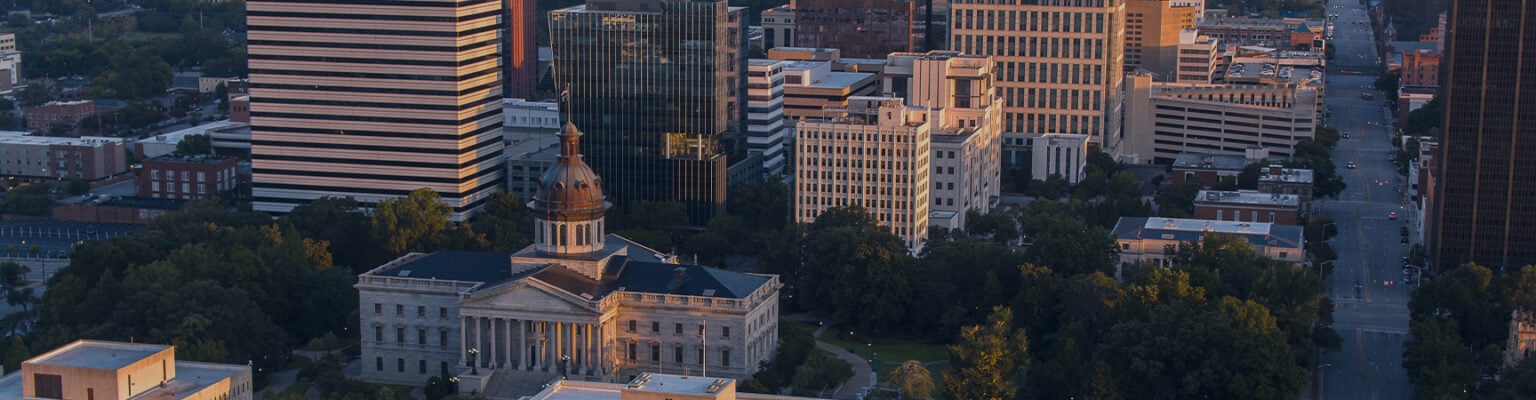
FCI Yazoo City Low II at a glance
FCI Yazoo City Low II is a federal prison for men at the Federal Correctional Complex in Yazoo County, Mississippi, and held 1,457 men as of September 2026. Until 2024 the Bureau of Prisons called it FCI Yazoo City Medium. Despite its name, it is now a medium-security institution: the Bureau’s roster changed its level from low to medium between August 13 and September 5, 2026.
| Official name | FCI Yazoo City Low II (FCI Yazoo City Medium until 2024) |
|---|---|
| BOP code | YAM · complex YAX |
| Security level | Medium on the Bureau’s roster since September 2026 (low until August 2026); the name still says Low · see the security-level record · men |
| Population | 1,457 (as of September 2026) |
| Visiting | Friday 5:00–8:30 p.m.; Saturday, Sunday and federal holidays 8:00 a.m.–3:00 p.m. · see visiting hours |
| Inmate mail | Inmate Name & Register Number · FCI Yazoo City Low II · Federal Correctional Institution · P.O. Box 5000 · Yazoo City, MS 39194 |
| Send money | Lockbox · Western Union (code city FBOP, DC) · MoneyGram (receive code 7932) |
| Phone | 662-716-1020 · Fax 662-716-1036 |
| Street address | 2225 Haley Barbour Parkway, Yazoo City, MS 39194 · Yazoo County |
| Judicial district | Southern District of Mississippi |
| BOP region | Southeast |
| Designated capacity | 1,536 |
| Housing | 3 housing units |
| Special Housing Unit | Yes · 96 segregation cells |
| RDAP | No · the complex’s program is at FCI Yazoo City Low |
| UNICOR | Yes · a Clothing and Textiles factory, listed for the complex |
| Camp | None · the complex’s satellite camp belongs to FCI Yazoo City Low |
On this page
The complex sits about 40 miles north of Jackson, beside Highway 3, according to the 2011 complex handbook, and three institutions share its street address on Haley Barbour Parkway: FCI Yazoo City Low, this prison, and FCI Yazoo City Medium, a different prison that took that name in 2024. It is one of the federal prisons in Mississippi and falls under the Bureau’s Southeast Region.

Is FCI Yazoo City Low II the old FCI Yazoo City Medium?
Yes: FCI Yazoo City Low II is the institution the Bureau called FCI Yazoo City Medium until 2024. The name then passed to the former USP Yazoo City on the same grounds, now FCI Yazoo City Medium, so the words “FCI Yazoo City Medium” point to two different prisons, and which one depends on the date of the paper in front of you.
The three institutions as the Bureau’s records name them, with populations as of September 2026:
| Code | Name today | Name before 2024 | Roster security level, September 2026 | Population | Phone |
|---|---|---|---|---|---|
| YAM | FCI Yazoo City Low II (this page) | FCI Yazoo City Medium | Medium | 1,457 | 662-716-1020 |
| YAP | FCI Yazoo City Medium | USP Yazoo City | Medium | 1,467 | 662-716-1241 |
| YAZ | FCI Yazoo City Low, with the satellite camp | Unchanged | Low | 1,490 plus 188 at the camp | 662-751-4800 |
That is 4,602 people at one address as of September 2026. Five records tie the old Medium to this building rather than to its neighbor:
- The 2005 annual report. The Bureau’s State of the Bureau for fiscal 2005 lists “Yazoo City II” among ten institutions whose activation it completed or continued that year, and its directory gives “FCI Yazoo City (Medium)” the telephone and fax numbers the roster gives Low II today, 662-716-1020 and 662-716-1036.
- The telephone number. The complex handbook (2011) tells families to report an emergency at “the Medium facility” on (662) 716-1020, the number the Bureau’s roster gives FCI Yazoo City Low II today.
- The Bureau’s own change table. In its July 2025 audit of the Bureau’s oversight of restraint use, the Inspector General reproduced a Bureau table with two Yazoo City rows: a penitentiary renamed an FCI on April 4, 2024, that moved from high to medium security on April 22, 2022, and an FCI whose name change the table records as “N/A” and whose security level went from medium to low the same day. The second row is this institution; the Bureau’s note under the table says the complex now has “a medium security level institution and two low security level institutions.”
- A 2022 death notice. On July 6, 2022, the Bureau announced the death of a man held at “FCI Yazoo City Medium,” two years before the penitentiary took that name, and the Locator files his record under this institution’s code.
- The Locator. Men who left this institution in 2014 and 2022 now carry “Yazoo City Low II” as the last facility in their locator records, because the record gives today’s name for the code (the screen itself shows a released man only “Not in BOP Custody as of” and a date).
Keep a key beside you when reading anything written before 2024: “Medium” means this prison, “USP” or “penitentiary” means today’s FCI Yazoo City Medium, and “Low” means FCI Yazoo City Low, whose name never moved. The 2019 visiting supplement, for instance, is signed by Keron Y. Nash as “Medium Warden”; he was the warden of this institution.
The Bureau’s name-change notice covers only the other half of the swap. Its April 4, 2024 notice renamed six penitentiaries, Yazoo City’s among them, and says nothing about the prison that gave up the Medium name; the change table records no name change here; and the renaming notices built into the Bureau’s facility pages cover the former penitentiary but not this institution. Even the Bureau’s links are crossed: this institution’s page labels its PREA report “FCI Yazoo City Low PREA Report,” and the file is an audit of the whole complex.
So check the date on any judgment, transfer order or news story that says “FCI Yazoo City Medium.” Written before 2024, the words mean Low II; written after the renaming, they ordinarily mean the former penitentiary. The name the Inmate Locator prints settles it: “Yazoo City Low II FCI” is this institution and “Yazoo City Medium FCI” the former penitentiary (codes YAM and YAP sit in the record behind the screen).
One more name to set aside. The Yazoo Regional Correctional Facility at 154 Roosevelt Hudson Drive, Yazoo City, telephone 662-751-8484, holds state prisoners; the Mississippi Department of Corrections says its regional facilities run under the county sheriff’s authority through agreements with the department, and the sheriff appoints the warden. A person with a Mississippi state number is there or elsewhere in the state system, not at this complex.
What is the security level at FCI Yazoo City Low II?
FCI Yazoo City Low II is now a medium-security institution, whatever its name says. As of September 2026, the Bureau’s facility page, which draws on the roster, describes it as “A medium security federal correctional institution.” The Bureau has announced no change, and the name has not caught up; records from 2022 to August 2026 that call it low were accurate when written.
What the Bureau’s records say, in order
The Bureau’s statements about this institution’s security level, oldest first:
| Date | Bureau record | What it says |
|---|---|---|
| Fiscal year 2005 | State of the Bureau 2005 | Directory entry “FCI Yazoo City (Medium),” security level “Medium/Male,” with this institution’s telephone and fax numbers |
| October 2011 | Complex admission and orientation handbook | The complex consists of “a Medium, Low, and Minimum Security facility”; this institution is the Medium |
| February 18, 2019 | Visiting supplement YAX 5267.09A | Signed by this institution’s warden as “Medium Warden” |
| April 22, 2022 | Bureau table printed in OIG Report 25-070 (July 2025), App. 2 | Security level changed from medium to low; name change recorded as “N/A”; the Bureau’s note counts one medium and two low institutions at the complex |
| July 6, 2022 | Bureau press release on a death here | “FCI Yazoo City Medium is a medium security facility and currently houses 1,470 male offenders.” |
| By June 2024 | The Bureau’s facility page, in archived copies | The name reads FCI Yazoo City Low II |
| February 24–26, 2026 (report dated April 2, 2026) | PREA audit of the complex | The complex “is comprised of two low-security facilities, a medium-security facility, and a minimum-security camp” |
| August 2026 | First Step Act Approved Programs Guide | Lists this institution among six sites for BRAVE, which Program Statement 5330.11 describes as a program “for medium security inmates” |
| August 13, 2026 | The Bureau’s facility page | “A low security federal correctional institution.” |
| September 5 and 16, 2026 | The Bureau’s roster | Security level “Medium” |
The Bureau’s data puts this institution at low security from April 22, 2022, yet its own release ten weeks later still called it medium. The 2024 name, the February 2026 audit’s two low-security institutions and the facility page’s August 13, 2026, description all match the 2022 decision. Then, between August 13 and September 5, 2026, the roster field that drives the page changed to medium. No Bureau news release since November 2020 announces a change to this institution’s level; besides the July 2022 release, the only relevant item is the April 2024 renaming notice, which says the six renamed penitentiaries were low or medium security by then.
The discrepancy is unique on the Bureau’s roster. Of its 118 institutions, 20 carry a security word in their names, from Low to ADMAX, and as of September 2026 this is the only one whose recorded level contradicts it.
One program listing leans the same way as the roster. The August 2026 programs guide names six institutions for BRAVE; the roster records the other five as medium security, and the Bureau’s psychology treatment programs policy introduces BRAVE as a program begun in 1998 for medium-security prisoners. That fits a medium mission here without announcing one.
Why the difference matters to someone held here
The level on paper decides whether a man belongs here at all. Under the Bureau’s security designation rules, Program Statement 5100.08, a man with 12 to 15 security points and no Public Safety Factor scores low and one with 16 to 23 scores medium, and more than 20 years left to serve is a Public Safety Factor that requires at least a medium unless it is waived. The same program statement says a Management Variable “is required when placement has been made and/or maintained at an institution level inconsistent with the inmate’s security score.” A low-scoring man with no Management Variable is placed correctly if Low II is a low institution and above his score if it is a medium one; a medium-scoring man is in the opposite position.
It changes what arrives by mail. The Bureau’s incoming publications rules, Program Statement 5266.11, let a low-security institution accept paperbacks and magazines from any sender, but at a medium-security institution softcover publications may come only from the publisher, a book club or a bookstore. Until the Bureau settles which this is, have books shipped by a bookstore or publisher.
What to do about it
Ask the unit team, in writing, for the security level and any Management Variable recorded for the man himself, and for the level the Bureau now records for this institution. Custody classification is recorded on form BP-338, and designations are decided by the Designation and Sentence Computation Center in Grand Prairie, Texas; requests reach it through the unit team. If the answers do not line up and no one explains why, a written request to staff followed by an administrative remedy creates the record. Date every answer; the roster field changed once between mid-August and early September 2026.
Who are the notable inmates at FCI Yazoo City Low II?
Dino Bouterse is the one widely listed man held at FCI Yazoo City Low II now. As of September 2026, the Inmate Locator places him here and records two other men on the popular lists for this complex as having left this institution, in 2014 and 2022, when it was still the Medium.
| Name (register number) | Bureau record, September 2026 | Why the name is attached to this prison |
|---|---|---|
| Dino Delano Bouterse (92082-054) | Held here. Projected release September 11, 2027 | A citizen of Suriname who helped form that country’s Counter-Terrorism Unit. Sentenced in Manhattan on March 10, 2015, to 195 months for attempting to provide material support to Hezbollah, conspiring to import cocaine into the United States, and a firearms count, according to the U.S. Attorney for the Southern District of New York |
| Marc Scott Emery (40252-086) | Released July 10, 2014. The locator’s record gives his last institution as “Yazoo City Low II” (the screen itself shows only “Not in BOP Custody as of” and the date) | The Vancouver marijuana-seed seller sentenced in Seattle on September 10, 2010, to five years for conspiracy to manufacture marijuana. The Globe and Mail reported that he was processed for release in July 2014 from “Yazoo City Medium, a medium-security federal prison” |
| Eric Dewayne Boyd (31710-074) | Released from federal custody June 9, 2022, last recorded at this institution | Convicted by a federal jury in Knoxville in April 2008 of being an accessory after the fact to a carjacking that resulted in death, and of misprision of a felony; sentenced to 216 months. A Knox County jury convicted him of murder in August 2019, and WATE reported life sentences with the possibility of parole, so the federal release date was not a release home |
Scott Tucker (06133-045), also on those lists, is at FCI Yazoo City Low, not here. The Emery record shows the trap: it gives “Yazoo City Low II” for a 2014 release, a decade before any institution bore that name.
How do I find someone at FCI Yazoo City Low II?
To find someone at FCI Yazoo City Low II, use the Bureau’s Inmate Locator and search by the eight-digit register number whenever you have it. For a name search, use the committed name, not a nickname; the Locator covers people held in federal custody since 1982. The eight-digit format is decoded in our guide to how register numbers work.
At this complex the result that matters is the facility line. A man here shows “Yazoo City Low II”; a man next door shows “Yazoo City Low” or “Yazoo City Medium,” each an FCI, and only the letters “II” separate the first two. If he says he is at “the Medium” and the Locator says Low II, the Locator describes where he sleeps today; his description may come from older paperwork. A move between institutions here changes that line and nothing in the mailing address, so check it before every visit.
How do I write to someone at FCI Yazoo City Low II?
Write to someone at FCI Yazoo City Low II at P.O. Box 5000, Yazoo City, MS 39194, using the block the Bureau publishes for this institution exactly as printed and never leaving off the register number:
- INMATE NAME & REGISTER NUMBER
- FCI Yazoo City Low II
- FEDERAL CORRECTIONAL INSTITUTION
- P.O. BOX 5000
- YAZOO CITY, MS 39194
All three institutions receive inmate mail at that box, so the institution line and the register number are what route a letter to this building. The 2011 handbook gave the Medium its own ZIP+4, 39194-5888, and asked writers to add the housing unit; the Bureau now prints plain 39194. P.O. Box 5666 is for staff correspondence, not for anything meant for a prisoner, and this institution has no camp.
Under the Bureau’s correspondence rules, general correspondence is opened and may be read, while an attorney’s letter marked “Special Mail — Open only in the presence of the inmate” is opened only in his presence. Under the 2011 handbook, outgoing legal mail went to Receiving and Discharge staff between 6:15 and 6:30 a.m. on weekdays. Our guides to writing to someone in federal prison and attorney-client communication cover rejected mail and privilege. Books depend on the security level; see why the level matters.
How do I send money to someone at FCI Yazoo City Low II?
Money for someone at FCI Yazoo City Low II goes through the Bureau’s national lockbox in Iowa or one of two wire services, never by mail to Yazoo City. The Bureau’s instructions begin with a step families skip: wait until the person has physically arrived at a Bureau facility.
- By mail: a money order, U.S. government check, or cashier’s or certified check, made out with the committed name and register number, sent to Federal Bureau of Prisons, [committed name], [register number], Post Office Box 474701, Des Moines, Iowa 50947-0001.
- By Western Union Quick Collect: code city FBOP, DC; the account number is the register number without spaces or dashes followed by the last name; the attention line is the committed name.
- By MoneyGram ExpressPayment: receive code 7932, company Federal Bureau of Prisons, Washington, DC, with the same account-number format.
Cash and personal checks are refused, and the Bureau’s trust fund rules hold some mailed instruments before the money can be spent. The 2011 handbook warns that outside deposits count when the Inmate Financial Responsibility Program sets payments. Families sending to Low II can weigh the three services’ fees in our guide to sending money to a federal prisoner.
What are the visiting hours at FCI Yazoo City Low II?
When visiting runs, FCI Yazoo City Low II receives general-population visitors on Friday evenings from 5:00 to 8:30 p.m. and on Saturdays, Sundays and federal holidays from 8:00 a.m. to 3:00 p.m. On September 17, 2026, the Bureau’s facility page reported that visiting here “has been suspended until further notice,” with no reason and no end date; it reported the same at FCI Yazoo City Medium and no suspension at FCI Yazoo City Low. Call 662-716-1020 before you travel.
WJTV reported on September 15, 2026, citing the Bureau, that a fight here two days earlier injured three prisoners, one of whom needed outside treatment. The Bureau has not said whether the suspension is connected.
The published schedule is Complex Supplement YAX 5267.09A, dated February 18, 2019, where this institution appears as “the Medium”; its English edition and its Spanish edition differ in places.
| Day | Hours | For whom |
|---|---|---|
| Thursday | 1:00 – 3:00 p.m. | Men in holdover status whose current facility does not match their security and program needs |
| Friday | 1:00 – 3:00 p.m. | Special Housing Unit only |
| Friday | 5:00 – 8:30 p.m. | General population |
| Saturday, Sunday and federal holidays | 8:00 a.m. – 3:00 p.m. | General population |
The supplement contradicts itself on Fridays: its information sheet, Attachment F, lists only the Special Housing Unit session, while section 4.A and both Spanish schedules keep the evening session for the Medium. Each man gets five visiting points a calendar month. The English text deducts one for each weekend day he enters the visiting room and nothing for a Friday evening or a federal holiday; the Spanish text counts any part of a visit as a whole one. Points do not carry over.
Mind the cut-offs. The English edition stops processing visitors at 7:30 p.m. on Fridays and 2:00 p.m. on weekends and holidays; the Spanish edition closes processing an hour before each session ends and halts weekend and holiday admissions from 9:30 a.m. until the 10:00 a.m. count clears. The 2019 Spanish edition also gave the Medium the complex’s largest visiting room, 250 people against 200 at the Low, 150 at the penitentiary and 86 at the camp.
Who may visit, and how many at once
- The list holds 25 people aged 16 or over, family included; the Spanish edition limits friends and associates to ten of them and requires an established prior relationship, which the warden may waive.
- The prisoner gets Visitor Information Forms (BP-629) from his counselor and sends one to each proposed visitor, who mails it back to the counselor; forms handed in by the prisoner are refused. Approval ordinarily takes 30 days, and the warden or a designee decides on anyone with a felony record.
- The list can change once every 90 days.
- No more than five visitors at once, which the English edition breaks into up to four adults and four children; the Spanish edition leaves children under two out of the count.
What visitors may wear and carry in
The dress code, Attachment G, turns people away over details. Skirts and dresses must fall more than two inches below the knee, with no slit higher than two inches above it; sleeveless tops need a jacket for the whole visit; leggings, spandex, T-shirts, sweat suits, camouflage and any khaki, the color the prisoners wear, are out. Shoes need a back or a heel strap, and hats are barred except on infants; religious headwear is allowed, and it is searched.
The English supplement lets a visitor bring a clear plastic purse or bag up to five by eight inches, up to $30.00 in bills of $5.00 or less for the vending machines, two see-through baby bottles, four diapers, one set of baby clothes, and life-maintenance medication. The guidelines printed in the Spanish edition add a warning diabetics need before the drive: “Diabetic medication and syringes are not considered life maintenance medications.” Watches, sunglasses, over-the-counter medicine, photographs, letters, pens, gum and makeup stay in the car or a lobby locker.
Identification, searches and the drug scanner
Visitors 16 and over need a current driver’s license, a state or government identification card, or a passport with a photograph; a birth certificate is not accepted. Each visitor completes the Notification to Visitor form, BP-S224, which records consent to search under 28 C.F.R. part 511. Everyone passes a metal detector and may be pat-searched at random, and the guidelines state that “an electronic drug detection system is in use”: a visitor who tests positive for illegal substances is turned away. Our guide to searches and contraband and the Bureau’s rules on searching visitors explain what refusing a search costs.
Non-contact visiting for a man here takes place in the Inmate Systems Department, the receiving and discharge area, after the captain and unit manager approve and the warden decides.
Legal visits while social visiting is suspended
The Bureau’s notice does not say whether legal visits are affected, and the national rule is new. The Bureau’s legal activities rules, Program Statement 1315.08, issued in May 2026 and linked from this institution’s page, require every facility to develop “alternative legal access arrangements” so that prisoners reach counsel “as soon as it is safely possible” once a significant or disruptive event has lasted more than 24 hours. Legal access is to be restricted “only when necessary to protect the safety and security of staff, inmates, or the public,” and staff must make “all reasonable efforts” to tell families, defense counsel, local courts and the public when legal or social visiting is restricted. Each institution must publish a supplement setting out those procedures; the Bureau’s page for this institution links the program statement itself but no local supplement. At an institution like this one, without pretrial detainees, an attorney books each visit in advance through the warden.
The 2019 supplement asks an attorney for a valid driver’s license and state bar card, and a paralegal or clerk for a license, proof of working for the attorney of record and a National Crime Information Center check. Our page on federal prison visitation and the Bureau’s visiting regulations cover the national rules.
Getting there
The two editions route drivers differently from Jackson. The English information sheet takes Highway 49 north, left at the first light in Yazoo City onto Broadway for 2.6 miles, then right onto MS-3 North for 1.7 miles to the entrance. The Spanish edition turns at Willie Morris Parkway instead and runs about 1.5 miles to the stop sign at Haley Barbour Parkway, then straight onto the complex. It lists Greyhound at 258 Jerry Clower Boulevard North and Amtrak at 204 West Broadway, where the English sheet says 222. Both information sheets print the ZIP code as 39056, though the Spanish edition’s own address list uses 39194, as every other Bureau record does.
How do phone calls and email work at FCI Yazoo City Low II?
Calls from FCI Yazoo City Low II go one way: he calls you, from an approved list of up to 30 numbers, and no one can call in. The monthly allowance is national, set by the Bureau’s telephone regulations, Program Statement 5264.09, issued September 3, 2026: 510 minutes a calendar month, of which 300 are free to a man eligible for First Step Act telephone incentives; anyone who uses up those 300, eligible or not, may buy the other 210. A single call should generally not exceed 15 minutes, at least 30 minutes must pass between completed calls, and properly arranged unmonitored legal calls do not count toward the 510.
The complex handbook (2011) is out of date: it allows “a total of 300 minutes” a month with no rollover, the figure from the 2008 policy that Program Statement 5264.09 rescinded, and the extra November and December minutes of that era went with it. It also describes a warning tone at 14 minutes, disconnection at 15, a ban on three-way calls, and a called party who presses 77 to block future calls until that person writes to the telephone staff. In a family emergency the handbook tells relatives to call this institution, then as now at 662-716-1020, and a chaplain confirms the news before it is passed on. Our guide to federal inmate phone calls covers rates and blocked numbers.
Email runs on TRULINCS, the Bureau’s closed, text-only messaging system, which families reach through CorrLinks. Every message is monitored, so a confidential note to a lawyer belongs in marked special mail or an arranged legal call.
What can people buy at the FCI Yazoo City Low II commissary?
People at FCI Yazoo City Low II can spend up to $460 a month at the commissary, the national ceiling. The Bureau’s trust fund rules, Program Statement 4500.13 (the Trust Fund/Deposit Fund Manual), issued May 7, 2026, set that ceiling in section 3.2 and record that it replaced $360. Listings that give $360 are out of date, and the complex handbook’s $290 is a 2011 figure. The ceiling rises by $50 during the November–December holiday period, for no more than one validation period.
The manual’s short list of purchases outside the ceiling includes postage stamps, over-the-counter medicine, copy cards, footwear, mattresses and a secured media device; telephone credit is not on it. Anything the commissary does not stock comes through a Special Purpose Order.
The 2011 handbook adds that each man shops once a week on his unit’s day, which rotates every quarter, and may hold 60 first-class stamps.
The Bureau’s page for this institution posts no commissary list. Ask the unit team for the current list, or ask the man inside to mail one out. National commissary rules, which bind Low II too, are on our federal prison commissary page.
What programs are available at FCI Yazoo City Low II?
FCI Yazoo City Low II is named in three program entries of the Bureau’s First Step Act Approved Programs Guide, published by its Reentry Services Division in August 2026: BRAVE, Federal Prison Industries and FPI Lean Basic Training. Its other marks for Low II come from its by-institution grid, the weaker half of the document, or from blanket entries. Approval is not delivery; ask the unit team in writing what is running this quarter.
BRAVE, the residential program the guide places here
BRAVE, the Bureau Rehabilitation and Values Enhancement program, is a half-day residential program of about six months for younger men at the start of a first federal sentence. Psychology Services runs it, under the Bureau’s psychology treatment programs policy, as a modified therapeutic community on a unit kept apart from general population, covering interpersonal skills, prosocial behavior, antisocial attitudes, drug education, problem solving and release planning. The guide sets four entry conditions, in force since November 1, 2021: age 40 or younger, at least 36 months left to serve, a first Bureau commitment, and no more than 18 months into the sentence. It rates BRAVE at 350 credit hours of evidence-based recidivism reduction.
The guide’s BRAVE entry names six institutions, this one among them, while its grid marks the other five and leaves Low II blank; the named entry is the controlling half. The 2009 program statement behind BRAVE lets designators send qualifying men straight to a BRAVE institution and onto the unit on arrival; taking part is voluntary, and a man who declines is moved off the unit. A family whose relative fits the four conditions should ask the unit team in writing whether a BRAVE unit is operating at Low II and whether he has been screened for it.
RDAP and drug treatment
The Residential Drug Abuse Program does not run at Low II. The RDAP list inside the August 2026 guide, updated in June 2026 and totaling 57 programs at 50 locations, gives the complex a single entry, “FCI Yazoo City – L,” which is FCI Yazoo City Low, and names no other institution here; the guide’s grid agrees. For an eligible man at Low II the program means a transfer request within the complex. Under 18 U.S.C. § 3621(e) the Bureau may reduce by up to one year the time a man convicted of a nonviolent offense remains in custody after completing it; the reduction is the Bureau’s to grant under its early-release procedures, not automatic.
What the grid does mark for this institution is non-residential drug treatment and the drug education course, neither of which carries that reduction.
Education, work and UNICOR
Federal Prison Industries operates here, by the Bureau’s own account. The guide’s entry for the program names Low II and the Low but not the former penitentiary, and a separate entry names both for FPI Lean Basic Training, a 16-hour course. The Bureau’s UNICOR factory list files a Clothing and Textiles operation under the complex’s code rather than any one institution’s. Factory jobs are applied for through the unit team, and the handbook bars a man who refuses the Inmate Financial Responsibility Program from holding one. Our page on UNICOR and the Bureau’s work and pay rules explain pay grades and waiting lists.
The grid marks this institution for the Bureau Literacy Program, English as a Second Language, apprenticeship training, vocational training, certification courses and technical certificate or degree programs. The 2011 handbook listed apprenticeships in drafting, cabinetry, heating and air conditioning, and custodial maintenance, and kept the law and leisure library open every day, with Sunday hours at the Medium of 1:00 to 3:30 p.m.; ask what runs now. Our guides to prison education and the law library cover the national picture.
Faith-based programs and reentry
Life Connections, the Bureau’s residential faith-based program, is not offered at Low II: its own entry names five other institutions, and the grid does not mark this one for it either. The grid does mark Threshold, which the guide describes as a non-residential faith-based reentry program ordinarily for men within 24 months of release. A man may also name one minister of record, whose visits count against neither his visiting list nor his social visits. See our page on religious programs in prison.
Halfway-house placement is arranged through the residential reentry office for the district where a man will live after release, not the one nearest the prison. For a man going home to either Mississippi district that is RRM Montgomery, which the Bureau lists as covering both along with Alabama’s three; our guide to halfway houses covers the process.
What is daily life like at FCI Yazoo City Low II?
Daily life at FCI Yazoo City Low II runs close to capacity, with fast turnover. The February 2026 PREA audit gives this institution a designated capacity of 1,536, and its population of 1,457 as of September 2026 is about 95 percent of that figure. In the 12 months before the February 2026 audit, the institution admitted 1,508 men while averaging 1,514 in residence, and the average stay was 494.6 days, roughly 16 months.
| Designated capacity | 1,536 |
|---|---|
| Population, facility-characteristics section | 1,516 |
| Population on the first day of the site visit, February 24, 2026 | 1,417 |
| Average daily population, previous 12 months | 1,514 |
| Admissions, previous 12 months | 1,508, of whom 1,438 stayed at least 72 hours and 1,276 at least 30 days |
| Average length of stay | 494.6 days |
| Age range | 20 to 74 |
| Housing units | 3 |
| Segregation cells | 96, against 73 at the Low and 121 at the Medium |
| Men with a physical disability / a cognitive or functional disability, first day | 4 / 0 |
The audit does not explain its two population figures for this institution, and for the complex as a whole it reports being over capacity at some point in the year. Its nine cell-housing units and five open dormitory units are not assigned to institutions, so the audit does not say whether men here live in cells or dormitories.
The 2011 handbook’s day at the Medium: official counts at 12:01, 3:00 and 5:00 a.m.; standing counts at 4:00 and 10:00 p.m., plus 10:00 a.m. on weekends and holidays; and controlled movement on the hour, seven days a week, with men kept to paved walks and their own housing unit. When staff answer an emergency, every prisoner nearby is expected to go down on one knee, and missing a scheduled call-out is a disciplinary matter.
Recreation for the Medium and the Low, in the same handbook, included unit and draft leagues in basketball, softball and soccer, an over-40 basketball league, racquetball and handball, a music program with drums, congas and brass, a hobby shop for leather and art, and films on Friday, Saturday and Sunday evenings. The covered patio, two bocce courts, two horseshoe pits and outdoor pool tables sometimes listed for this institution are the handbook’s list for the camp.
According to the audit, medical and mental health services are provided on site, forensic examinations after a sexual assault take place at a local hospital, and the complex has been accredited within the past three years by AAAHC. Our guide to medical care in federal prison and the Bureau’s patient care policy explain sick call and co-payments.
What do inspectors say about conditions at FCI Yazoo City Low II?
No independent body has inspected general conditions at FCI Yazoo City Low II. The DOJ Office of the Inspector General has not conducted an on-site inspection of this facility. Its May 21, 2026 report on USP Canaan counted 14 Bureau institutions inspected since 2023, none at Yazoo City, and its evaluation of the Bureau’s lockdowns and modified operations, posted as ongoing work on June 9, 2025, names no institution. The District of Columbia Corrections Information Council, which inspects federal prisons holding people convicted under the D.C. Code, has published no inspection report on Yazoo City.
The 2026 PREA audit
The one outside review in the past year is the Prison Rape Elimination Act audit of the whole complex. Lori Fadorick of Corrections Consulting Services LLC was on site from February 24 to 26, 2026, and signed the final report on April 2, 2026. Her report records 45 standards met and none exceeded or not met.
Three details bear on Low II. The warden who signed for the complex was Denese Thomas, “Acting Complex Warden/Low II Warden.” On the day of the site review, the audit says, “correctional services had approximately 70% of positions filled,” with required posts covered by overtime and by augmentation, the use of non-custody staff on officer posts, though the same section reports no deviations from the staffing plan. And a PREA audit measures sexual-safety compliance only, not medical care, discipline, use of force or the reasons for a visiting suspension.
What staff told the Inspector General in 2021
The only published measure of staff experience here predates the new name. In September 2021 the Inspector General released institution-level results of a follow-up staff survey on the COVID-19 pandemic, including “Yazoo City FCI Medium,” this institution in 2021. There, 85 percent of responding staff reported increased stress or anxiety at work, 41 percent had considered leaving the Bureau, 37 percent had been required to work overtime, and 81 percent had been required to perform tasks outside their normal duties. The Inspector General published proportions only, not the number of staff who answered.
Sexual-abuse allegation counts
The Government Accountability Office’s May 5, 2026 report on sexual abuse in federal prisons lists “Yazoo City Low II Federal Correctional Institution” with two reported allegations of abuse by another incarcerated person from 2020 through 2024, both in 2023. Treat that as a floor. The same table has a “Yazoo City Medium” row (15), a name two institutions have carried, and rows for “Yazoo City II” (2) and an unqualified “Yazoo City” (1), names no current roster entry carries, so none can be assigned to this building. GAO’s table of allegations against Bureau employees has no Low II row at all, which is not a count of zero; its “Yazoo City Medium” row (6) and complex-wide row (11) cannot be split either. These are allegations, not findings, and GAO does not adjust any figure for population.
What recent court cases show
Recent court cases from FCI Yazoo City Low II turn on two procedural points: exhausting administrative remedies and filing in the right court. CourtListener’s docket index holds at least twelve habeas cases captioned against Low II or its warden and filed between February 2025 and April 2026; two carry lessons families need.
- Exhaust first, however long it takes. A man here challenged the Bureau’s calculation of his First Step Act credits without filing any administrative remedy, arguing the process would take at least 120 days and outlast his release date. The magistrate judge recommended dismissal, reasoning that the time exhaustion takes does not excuse it and that expecting to lose does not make it futile, and the district judge dismissed the petition without prejudice. Castillo v. Warden, FCI Yazoo City Low II, No. 3:25-cv-472-DPJ-ASH (S.D. Miss. Sept. 1, 2026) (adopting report and recommendation of Aug. 6, 2026). The court’s copy of the recommendation, mailed to him at Low II, came back marked “person no longer here.”
- File in the right court. A petition against the Low II warden filed in the Southern District of Alabama in February 2025 was transferred to the Southern District of Mississippi under 28 U.S.C. § 1631 seven months later. Maxberry v. Warden, FCI Yazoo City Low, II, No. 1:25-cv-59-TFM-N (S.D. Ala. Sept. 18, 2025).
The remedy ladder, as the Castillo recommendation sets it out, runs from informal resolution to a BP-9 to the warden within 20 calendar days of the event, a BP-10 to the regional director within 20 days of the warden’s response, and a BP-11 to the General Counsel within 30 days of the regional director’s. The response times alone, 20, 30 and 40 days, add up to 90.
Staff prosecutions at the complex
Criminal cases against staff at FCC Yazoo City have been announced in most years since 2017, and most releases name the complex, not a building. A former officer was sentenced in September 2017 to 15 months for taking bribes to bring in contraband; another was arrested in October 2018 on an indictment for taking bribes from prisoners; and in November 2019 Kpanah Kollie was convicted after a bench trial of conspiring with officers and prisoners in 2015 to smuggle drugs and phones into the prison. She was not a guard: the U.S. Attorney placed her among people outside the prison. Two Inspector General notices from 2022 do name this building, under its old name: an officer assigned to “FCI Yazoo City Medium” was arrested that February on a state warrant alleging he smuggled 100 cigarettes into it a year earlier, and another was arrested that August on a Yazoo County indictment alleging she tried to get two cell phones to prisoners there in July 2020. Later cases are on our FCI Yazoo City Medium page. A charge is not a finding.
FCI Yazoo City Low II in the news
Recent news about FCI Yazoo City Low II centers on the September 2026 fight and visiting suspension and on the roster’s change to medium security; older items concern the 2024 renaming, a 2022 COVID-19 death, the 2016 botulism outbreak and Marc Emery’s 2014 release. Items are listed newest first; those from before 2024 use the name the institution carried at the time.
- September 13–17, 2026 — WJTV reported on September 15 that a fight at FCI Yazoo City Low II at about 12:15 p.m. on September 13 injured three prisoners, two treated on site and one needing outside care; no employees were hurt and the FBI was notified. On September 17 the Bureau’s facility page reported visiting here suspended until further notice, with no reason given.
- August 13 to September 5, 2026 — The Bureau’s roster began recording this institution as medium security, although its facility page had called it low on August 13 and the Bureau’s own table dates its move to low to April 22, 2022. Nothing has been announced.
- 2024 — The former penitentiary next door took the name FCI Yazoo City Medium and this institution became FCI Yazoo City Low II. The Bureau’s April 4, 2024 notice announced only that the penitentiary would be renamed an FCI.
- June 16, 2022 — Dwight Pearson, 50, serving 84 months from the Northern District of Georgia, died in a local hospital; he had tested positive for COVID-19 at FCI Yazoo City Medium on January 9, and the Bureau said a review found his death related to it (Bureau release, July 6, 2022; the Bureau’s releases are listed on its press release page).
- June 2016 — In what the CDC called the largest botulism outbreak in the United States since 1978, 31 prisoners fell ill after drinking prison-brewed alcohol and 24 were hospitalized; none died. The CDC places it at “a medium-security federal correctional institution” in Mississippi, and the Associated Press reported that week that the sick men came from the medium-security section of the Yazoo City prison, the institution now called Low II (CDC, MMWR, January 6, 2017).
- July 9, 2014 — Marc Emery was processed for release from “Yazoo City Medium, a medium-security federal prison,” The Globe and Mail reported; the Locator gives his release date as July 10, 2014.
Frequently asked questions about FCI Yazoo City Low II
Is FCI Yazoo City Low II the same prison as FCI Yazoo City Medium?
Not today. Until 2024 this institution, code YAM, was called FCI Yazoo City Medium; the name then passed to the former USP Yazoo City next door, code YAP. A document written before 2024 that says “FCI Yazoo City Medium” means Low II, and one written after the renaming ordinarily means the former penitentiary.
What security level is FCI Yazoo City Low II?
The Bureau’s roster now records it as medium (the change came in late summer 2026), even though the Bureau’s own table records a move from medium to low effective April 22, 2022, the 2024 name says low, and its facility page said low on August 13, 2026. Of the 20 institutions whose names carry a security word, it is the only one whose recorded level contradicts the name, so ask the unit team to confirm the level in writing.
Is visiting suspended at FCI Yazoo City Low II?
It was on September 17, 2026, when the Bureau’s facility page reported visiting at the institution suspended until further notice, with no reason and no end date. The same notice appeared for FCI Yazoo City Medium. The status changes without notice, so call 662-716-1020 before traveling and ask whether visiting has resumed.
When can families visit FCI Yazoo City Low II?
When visiting runs, the 2019 complex supplement gives the Medium, as this institution was then called, Fridays 5:00 to 8:30 p.m. and Saturdays, Sundays and federal holidays 8:00 a.m. to 3:00 p.m., plus Friday afternoons for the Special Housing Unit and Thursday afternoons for certain holdovers.
What is the mailing address for FCI Yazoo City Low II?
Inmate name and register number, FCI Yazoo City Low II, Federal Correctional Institution, P.O. Box 5000, Yazoo City, MS 39194. All three Yazoo City institutions share the box, so the institution line and register number matter. Never send money there.
Where does money for someone at FCI Yazoo City Low II go?
Through the Bureau’s lockbox at Post Office Box 474701, Des Moines, Iowa 50947-0001, Western Union Quick Collect (code city FBOP, DC) or MoneyGram (receive code 7932), with the committed name and register number, and only after he has arrived at a Bureau facility.
How much can someone spend at the FCI Yazoo City Low II commissary?
$460 a month under Program Statement 4500.13, issued in May 2026, which replaced the $360 limit, plus $50 during the November–December holiday period, for no more than one validation period. Stamps, over-the-counter medicine, copy cards, footwear, mattresses and a secured media device are outside the limit.
Does FCI Yazoo City Low II have RDAP?
No. The RDAP list in the August 2026 First Step Act guide, updated in June 2026, gives the complex one site, FCI Yazoo City Low, so an eligible man at Low II needs a transfer within the complex. The guide’s grid marks Low II for non-residential drug treatment and drug education.
What is the BRAVE program at FCI Yazoo City Low II?
A half-day residential program of about six months for younger men beginning a first federal sentence. The August 2026 guide’s BRAVE entry names this institution among six sites, though its grid leaves Low II unmarked, and requires age 40 or younger, at least 36 months left to serve, a first Bureau commitment and no more than 18 months served.
Has FCI Yazoo City Low II been inspected?
The DOJ Office of the Inspector General has not conducted an on-site inspection of this facility. The only recent outside review is the PREA audit of the whole complex, conducted on site February 24–26, 2026, by Lori Fadorick, which recorded 45 standards met and custody positions about 70 percent filled.
Who is the best-known person at FCI Yazoo City Low II?
Dino Bouterse, register number 92082-054, whom the Inmate Locator places here as of September 2026, with a projected release date of September 11, 2027. He was sentenced in Manhattan in 2015 to 195 months for attempting to support Hezbollah, conspiring to import cocaine and a firearms count.
Can I mail books to someone at FCI Yazoo City Low II?
Order them from a publisher, book club or bookstore. Hardcovers must come that way at every Bureau institution, and at a medium-security institution paperbacks and magazines must too; with the Bureau’s records split over this institution’s level, a paperback mailed from home risks rejection.
Problems at FCI Yazoo City Low II: where we can help
The problems this institution’s record points to are mostly paperwork with a deadline.
- The security level itself. When Bureau records disagree about whether an institution is low or medium, a man’s classification, Management Variable, transfer requests and even his mail can rest on the wrong premise. We gather the records, set them against the Bureau’s designation rules and put the discrepancy in writing. See federal prison transfers.
- BRAVE and the residential drug program. A young man early in a first sentence may belong in the BRAVE unit the guide places here, and a man who qualifies for the residential drug program must move to the Low to take it; both requests are best made early and in writing.
- Time credits and the remedy clock. As Castillo shows, a time-credit dispute ordinarily has to climb the BP-9, BP-10 and BP-11 before it reaches a court, and the petition belongs in the Southern District of Mississippi. We track those deadlines and prepare the filings, starting with the administrative remedy program.
- Legal access during a suspension. The Bureau’s legal activities rules require each facility to plan alternative legal access once a disruption lasts more than 24 hours; we ask for it on a client’s behalf.
- Records that still say “Medium.” Judgments, judicial recommendations, detainers and older Bureau paperwork naming FCI Yazoo City Medium can send a request to the wrong building, so we reconcile each one against the code and the date.
- Discipline after an incident. When a disturbance like the September 13, 2026, fight produces incident reports, disciplinary hearings and Special Housing Unit placements move quickly and can cost good conduct time.
- Illness, injury and release. Compassionate release (under the Bureau’s reduction-in-sentence policy), sentence computation errors, halfway-house timing and Federal Tort Claims Act claims each run on their own clock; our early-release practice covers them.
- Challenges to the conviction or sentence itself, through a direct appeal or a § 2255 motion.
Elizabeth Franklin-Best, P.C. handles federal criminal defense, appeals and post-conviction matters nationwide, and advises families and prisoners on Bureau of Prisons designation, programming, discipline and time-credit problems at institutions across the system, including all three at FCC Yazoo City. Call (843) 620-1100 or contact us to talk through a specific situation.
Christopher Zoukis, JD, MBA, the firm’s Managing Director, writes and maintains the federal prison policy material on this site. He is not counsel of record; legal representation is provided by Elizabeth Franklin-Best.
Sources and currency
Bureau of Prisons documents
- FCI Yazoo City Low II, Federal Bureau of Prisons, 2026. The institution’s page: address, contacts, population and security-level description.
- Complex Supplement YAX 5267.09A, Visiting Regulations, Federal Bureau of Prisons, FCC Yazoo City, 2019. English edition.
- Complex Supplement YAX 5267.09A, Visiting Regulations (Spanish edition), Federal Bureau of Prisons, FCC Yazoo City, 2019.
- FCC Yazoo City Admission and Orientation Handbook, Federal Bureau of Prisons, FCC Yazoo City, 2011.
- Inmate Legal Activities, Program Statement 1315.08, Federal Bureau of Prisons, 2026.
- Trust Fund/Deposit Fund Manual, Program Statement 4500.13, Federal Bureau of Prisons, 2026. Sets the $460 commissary limit and the deposit hold periods.
- Inmate Security Designation and Custody Classification, Program Statement 5100.08, Federal Bureau of Prisons, 2026. Security point ranges, Public Safety Factors and Management Variables.
- Inmate Telephone Regulations, Program Statement 5264.09, Federal Bureau of Prisons, 2026. Replaced Program Statement 5264.08 (2008).
- Incoming Publications, Program Statement 5266.11, Federal Bureau of Prisons, 2011.
- Psychology Treatment Programs, Program Statement 5330.11, Federal Bureau of Prisons, 2009. Amended in 2016. Describes the BRAVE program.
- First Step Act Approved Programs Guide (August 2026), Federal Bureau of Prisons, Reentry Services Division, 2026. Includes the RDAP locations list.
- Community Ties (sending money), Federal Bureau of Prisons, 2026.
- UNICOR (Federal Prison Industries), Federal Bureau of Prisons, 2026. Lists factory locations.
- RRM Montgomery, Federal Bureau of Prisons, 2026. The residential reentry office covering both Mississippi districts.
- Name Changes Approved for Seven FBOP Facilities, Federal Bureau of Prisons, 2024.
- Inmate Death at FCI Yazoo City Medium, Federal Bureau of Prisons, FCC Yazoo City, 2022. The July 6, 2022 release on Dwight Pearson.
- Press Releases, Federal Bureau of Prisons, 2022.
- State of the Bureau 2005, Federal Bureau of Prisons, 2006. Annual report for fiscal year 2005, with the institution directory.
Audits and inspections
- PREA Audit Report: Federal Correctional Complex (FCC) Yazoo City, Corrections Consulting Services LLC (auditor Lori Fadorick), 2026.
- Inspection of the Federal Bureau of Prisons’ U.S. Penitentiary Canaan (Report 26-055), U.S. Department of Justice, Office of the Inspector General, 2026.
- Ongoing Work, U.S. Department of Justice, Office of the Inspector General, 2026.
- Federal Prisons: Improvements Needed to Prevent, Detect, and Address Sexual Abuse (GAO-26-107343), U.S. Government Accountability Office, 2026.
- Inspection Reports, District of Columbia Corrections Information Council, 2026.
- Audit of the Federal Bureau of Prisons’ Oversight of the Use of Restraints (Report 25-070), U.S. Department of Justice, Office of the Inspector General, 2025. Appendix 2 reproduces the Bureau’s table of security-level and name changes.
- Staff Perceptions of the Federal Bureau of Prisons’ Management of the Coronavirus Disease 2019 Pandemic: A Follow-Up Survey of BOP Staff (Report 21-126), U.S. Department of Justice, Office of the Inspector General, 2021.
- Report 21-126: results by institution, U.S. Department of Justice, Office of the Inspector General, 2021.
Court records
- Castillo v. Warden, FCI Yazoo City Low II, No. 3:25-cv-472-DPJ-ASH, ECF No. 19 (order adopting report and recommendation), U.S. District Court for the Southern District of Mississippi, 2026.
- Castillo v. Warden, FCI Yazoo City Low II, No. 3:25-cv-472-DPJ-ASH, ECF No. 17 (report and recommendation), U.S. District Court for the Southern District of Mississippi, 2026.
- Maxberry v. Warden, FCI Yazoo City Low, II, No. 1:25-cv-59-TFM-N, ECF No. 5 (transfer order), U.S. District Court for the Southern District of Alabama, 2025.
- BOP Correctional Officer Indicted for Introduction of Contraband, U.S. Department of Justice, Office of the Inspector General, 2022. The August 2022 arrest of an officer assigned to FCI Yazoo City Medium, as this institution was then named.
- BOP Correctional Officer Arrested for Introduction of Contraband, U.S. Department of Justice, Office of the Inspector General, 2022. The February 2022 arrest of an officer assigned to FCI Yazoo City Medium.
- Defendant Found Guilty in Corruption Scheme Involving Introduction of Illegal Items into Federal Prison, U.S. Attorney’s Office, Southern District of Mississippi, 2019. Kpanah Kollie’s conviction.
- Federal Corrections Officer Indicted and Arrested for Accepting Bribes, U.S. Attorney’s Office, Southern District of Mississippi, 2018.
- Former Federal Corrections Officer Sentenced to Prison for Accepting Bribes, U.S. Attorney’s Office, Southern District of Mississippi, 2017.
- Former South American Counter-Terrorism Official Sentenced in Manhattan Federal Court to More Than 16 Years in Prison for Attempting to Support Hezbollah, U.S. Attorney’s Office, Southern District of New York, 2015. Dino Bouterse’s sentence.
- Canadian Sentenced to 5 Years in Prison for Selling Millions of Marijuana Seeds Across the Border, U.S. Attorney’s Office, Western District of Washington, 2010. Marc Emery’s sentence.
- United States v. Boyd, No. 3:07-CR-3, ECF No. 174 (memorandum and order), U.S. District Court for the Eastern District of Tennessee, 2008.
News and other sources
- Three Inmates Injured During Fight at Yazoo Federal Prison, WJTV, 2026.
- Yazoo Regional Correctional Facility, Mississippi Department of Corrections, 2026.
- Eric Boyd Guilty in Christian-Newsom Murders, WATE, 2019.
- Notes from the Field: Botulism Outbreak from Drinking Prison-Made Illicit Alcohol in a Federal Correctional Facility — Mississippi, June 2016, Centers for Disease Control and Prevention, Morbidity and Mortality Weekly Report, 2017. By Lindsey McCrickard and others.
- Botulism Traced to Prison Hooch Sickens Federal Inmates, Associated Press, 2016. By Jeff Amy.
- Marc Emery, Canadian ‘Prince of Pot’ Released from U.S. Jail, The Globe and Mail, 2014.
- 18 U.S.C. § 3621(e), Imprisonment of a convicted person, U.S. Code (Legal Information Institute).
- 28 U.S.C. § 1631, Transfer to cure want of jurisdiction, U.S. Code (Legal Information Institute).
- 28 C.F.R. Part 511, General Management Policy, Code of Federal Regulations (Legal Information Institute). Includes the rules for searching visitors.
Sources reviewed September 2026.
Reviewed for legal accuracy by Elizabeth Franklin-Best, Esq., Principal Attorney·September 2026